
Last updated November 22, 2026
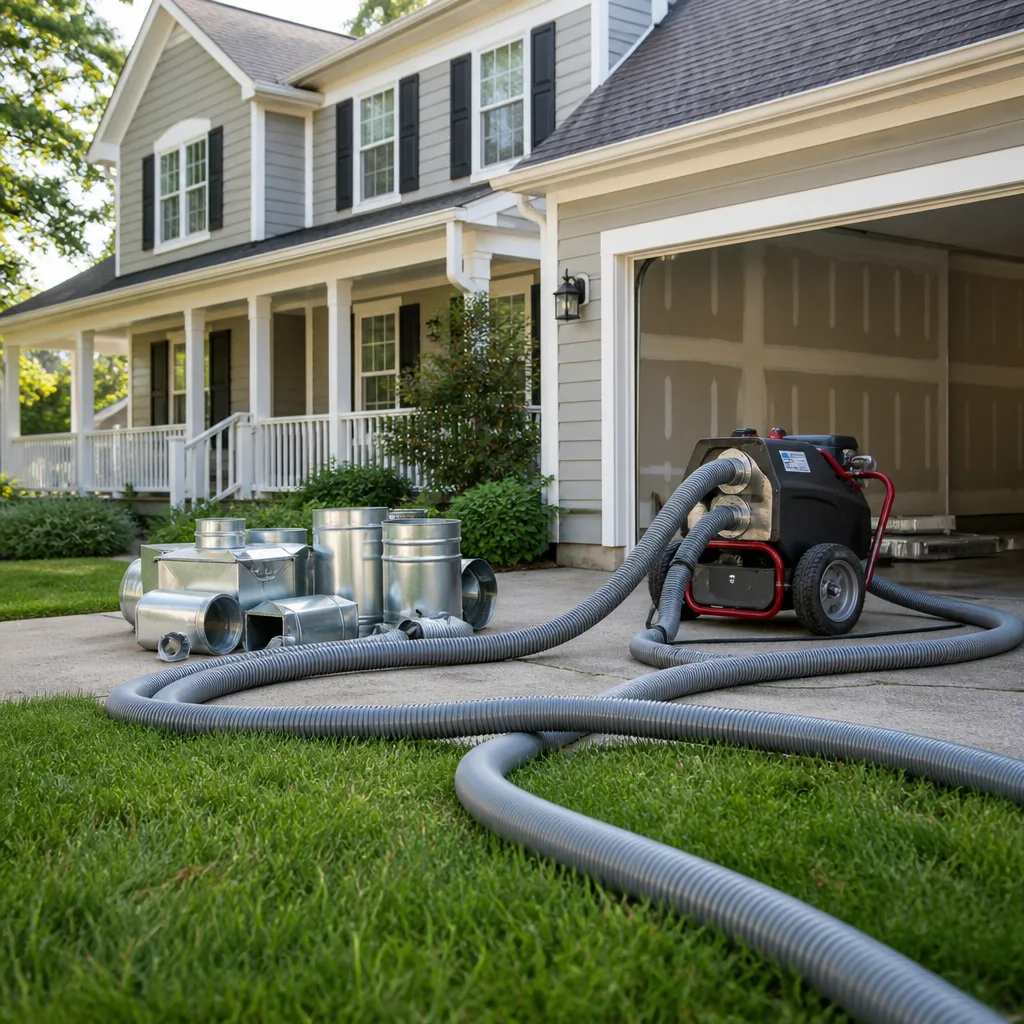 Whole-home duct cleaning
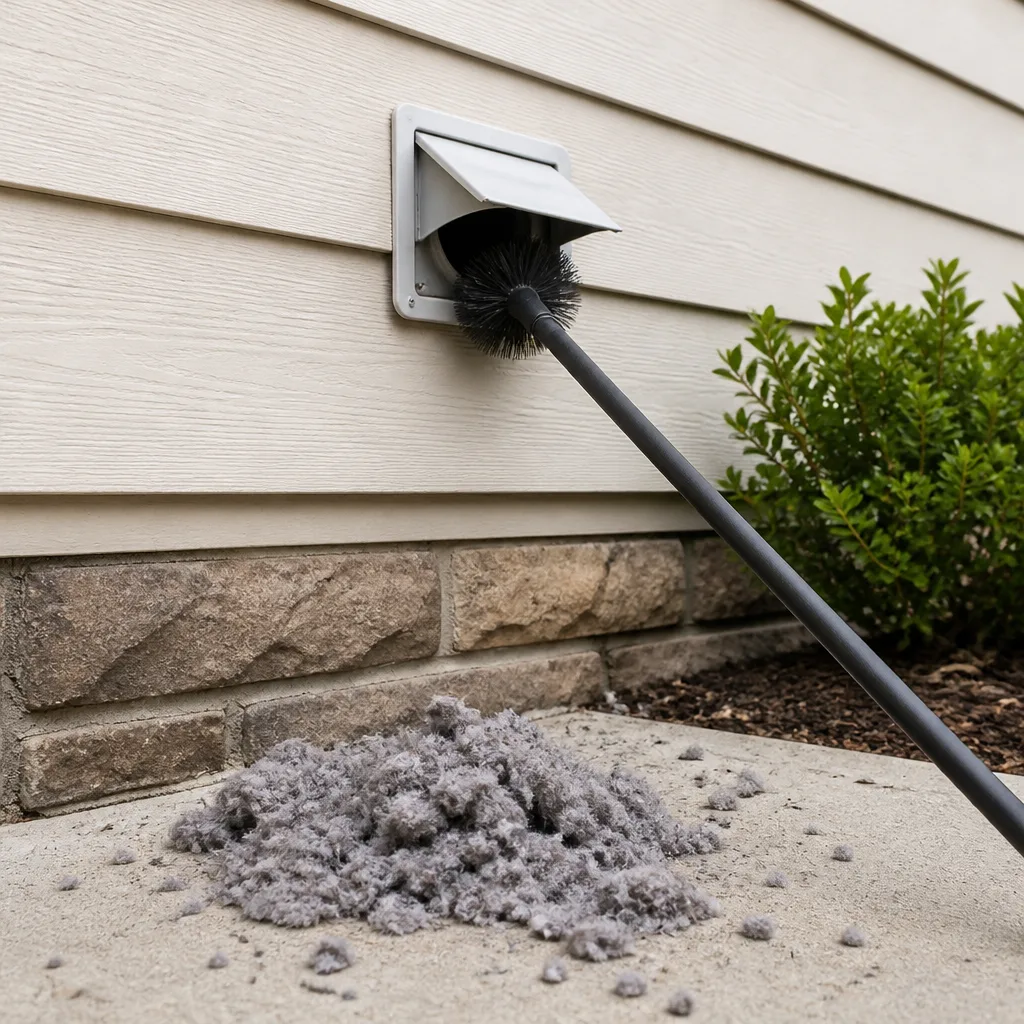 Dryer vent cleaning
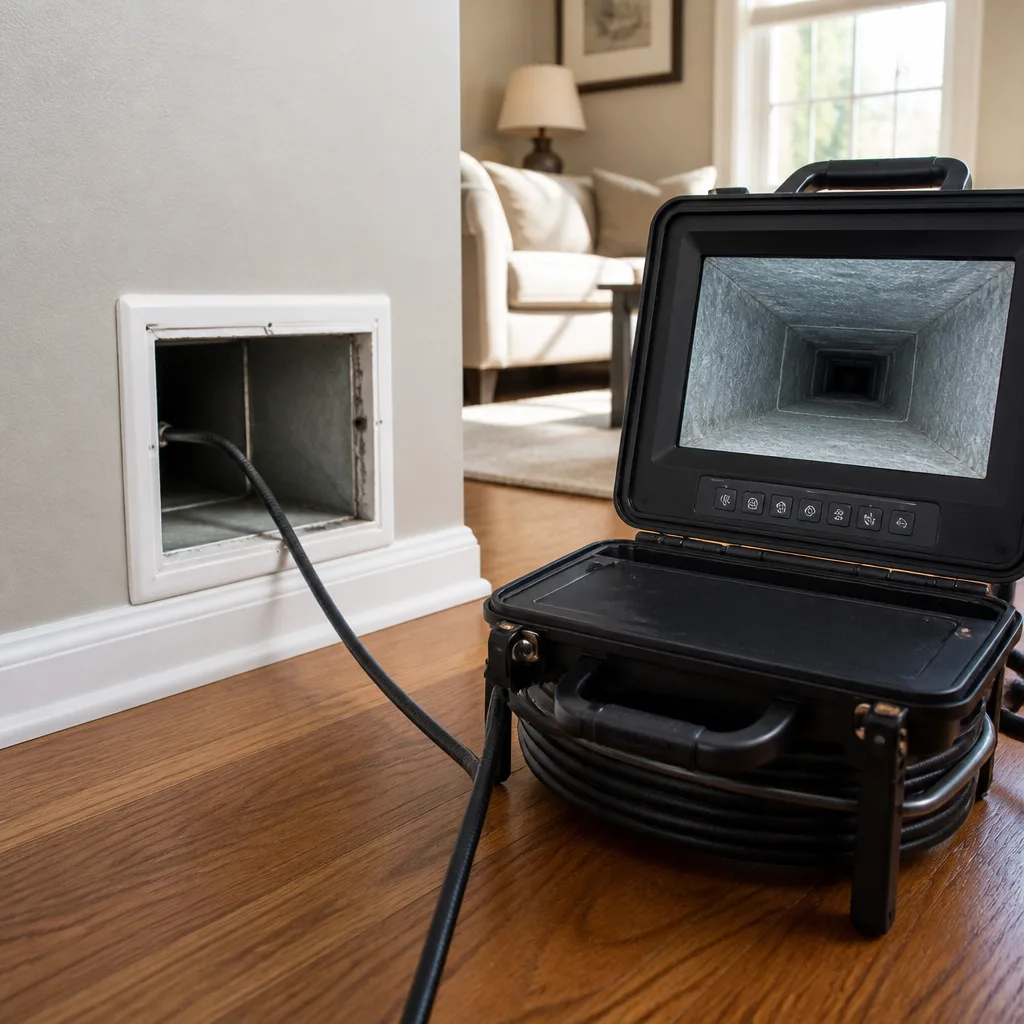 Camera inspection
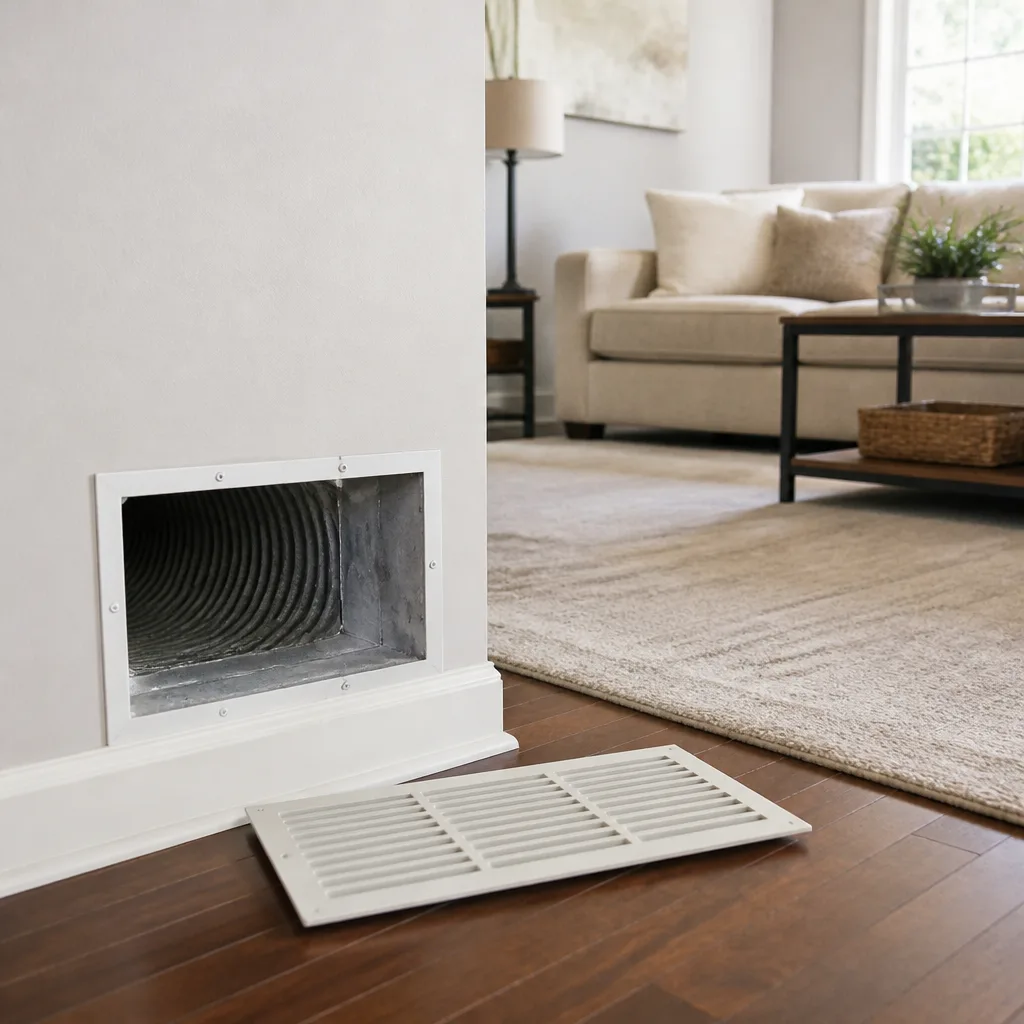 Sanitizing & deodorizing
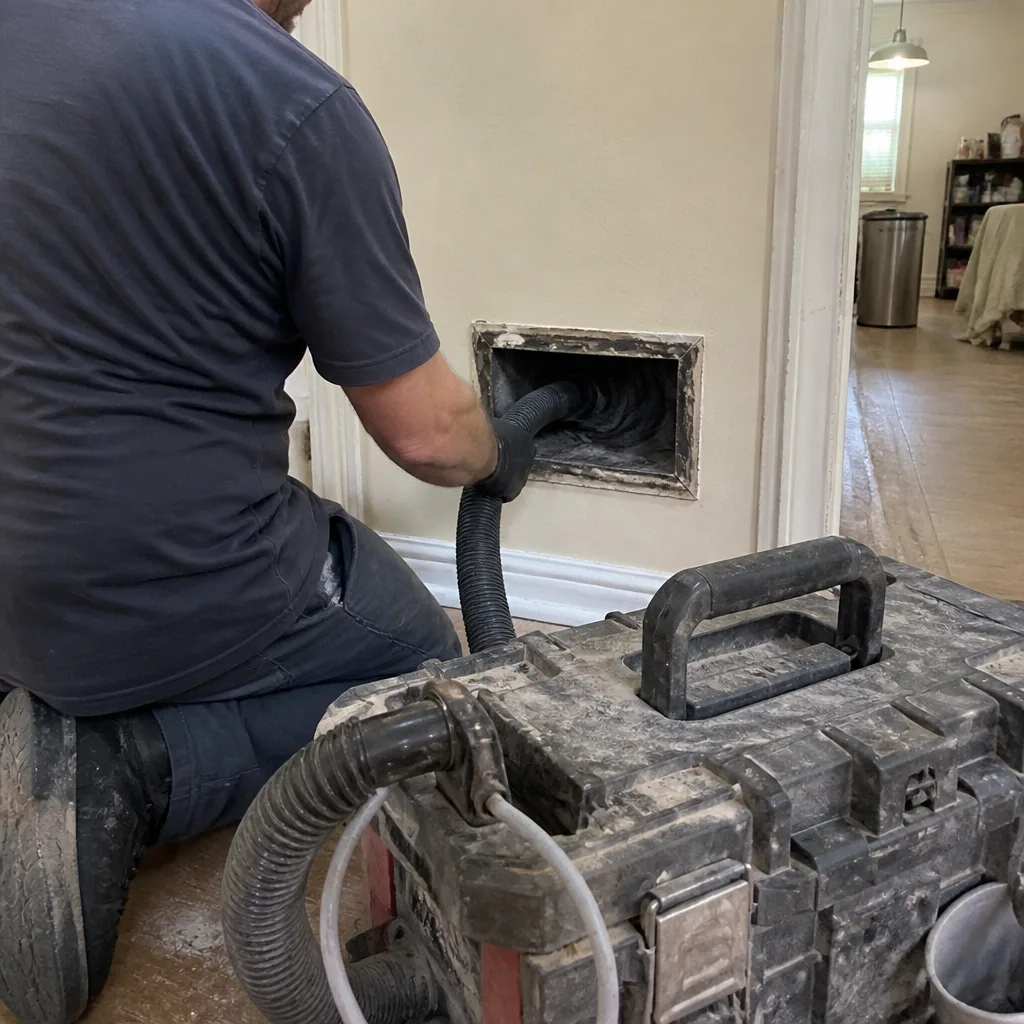
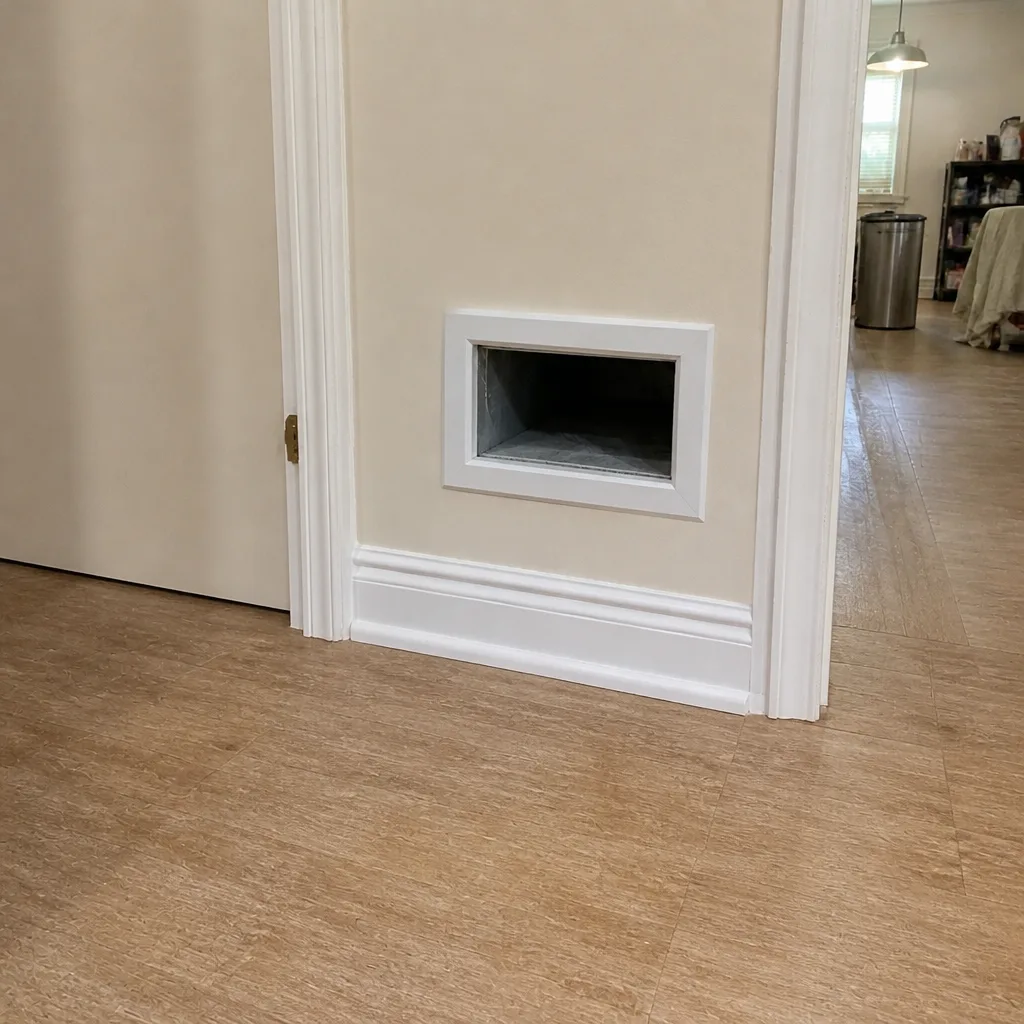
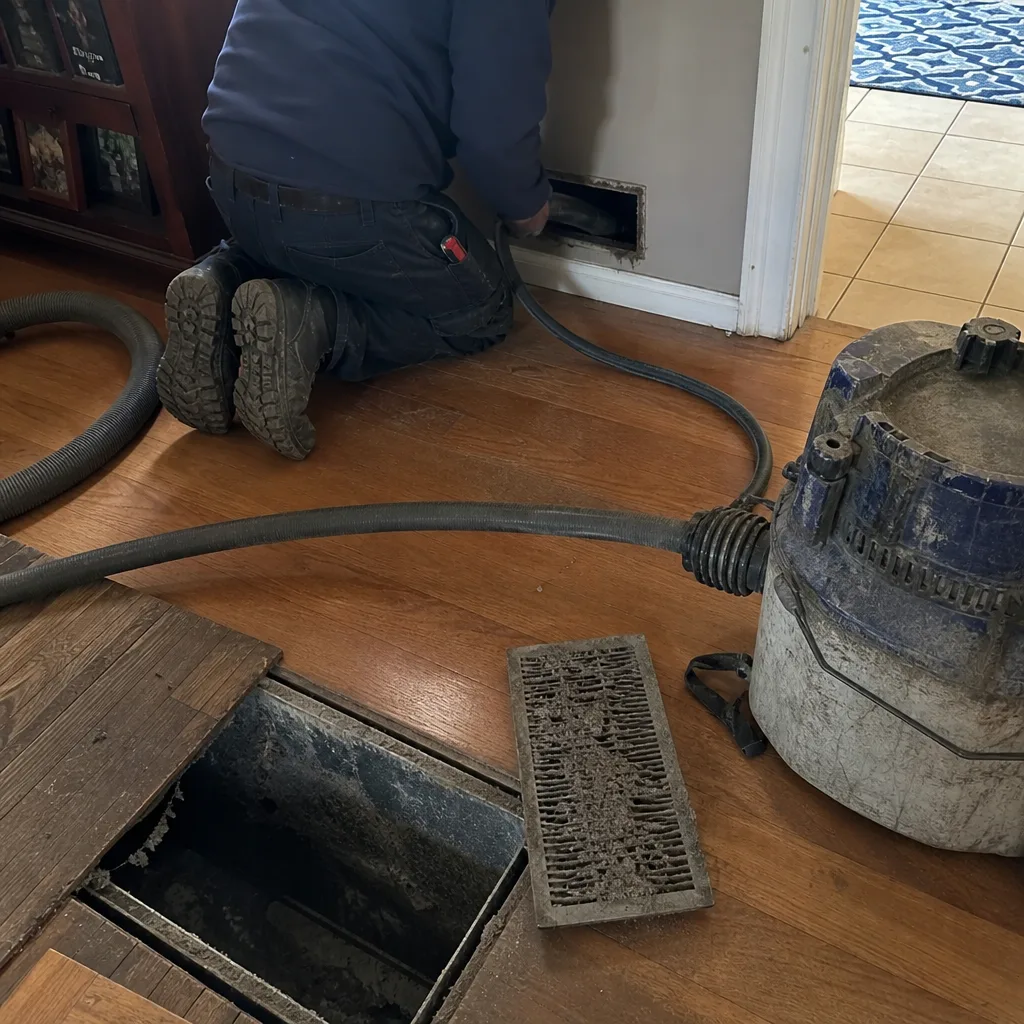
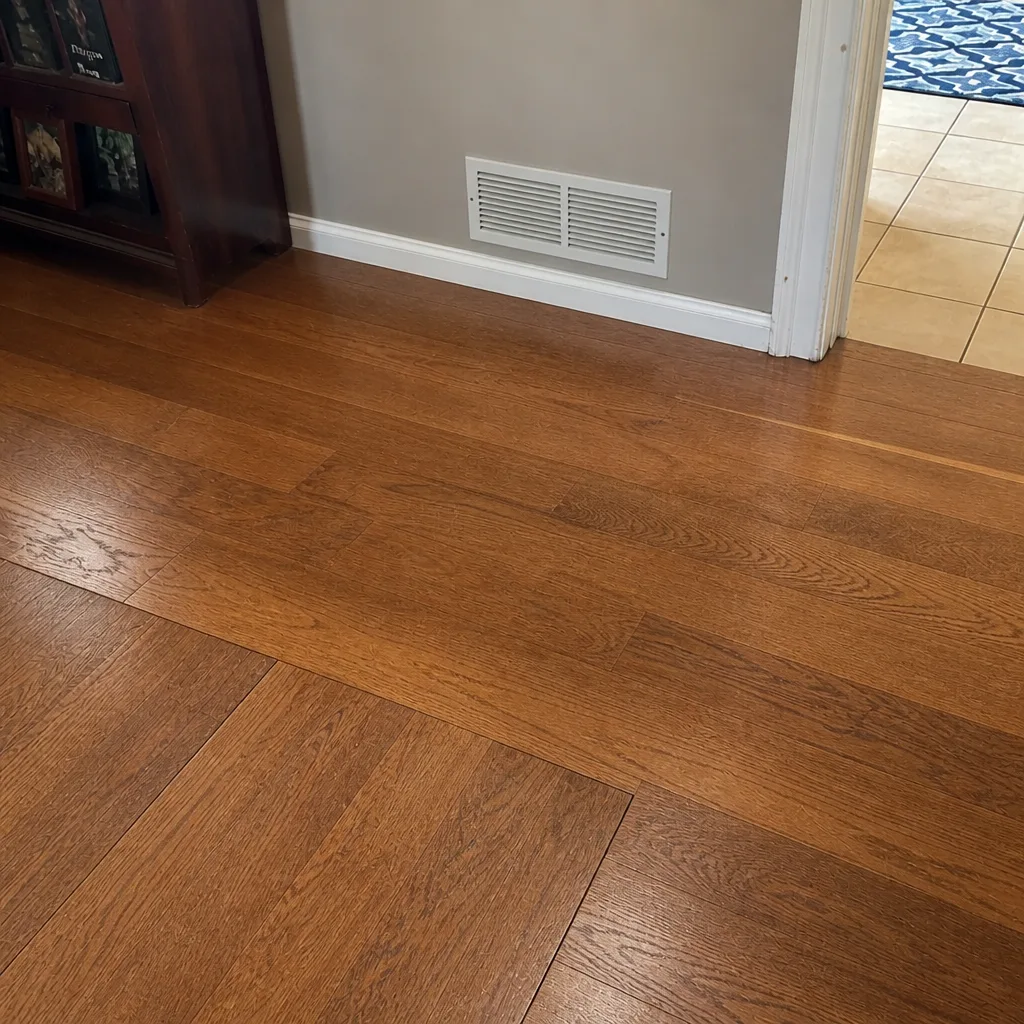
Whole-system duct and dryer vent check with before-and-after photos - you see exactly what came out of your vents
That "$99 whole-house special" is a bait ad - the real number appears once they are in your hallway, or the "clean" is a shop-vac at the register. We photograph the inside of your ducts before and after instead.
Air Duct Cleaning Maintenance Schedule: What to Do and When
Most homeowners in Elmhurst have heard some version of the same guideline: clean your air ducts every three to five years. What that advice almost never explains is where the number comes from, or why it shouldn’t be applied in the same way to every building. Housing stock here matters. Much of Elmhurst’s building stock includes dense attached construction, street-level traffic corridors, and residential blocks where neighboring units share enough air and vibration that renovation dust does not stay in one place. That’s why we treat the standard interval as a starting point, not a rule. In this guide, we’ll walk through how to build a maintenance calendar around your actual property, what you can do yourself between professional visits, and when dust, filters, or odors are telling you the schedule needs to change.
Quick Answer
Clean your air ducts every three to five years if your home is average, but shorten that to every two to three years in denser or older Elmhurst buildings where street dust, shared walls, or renovations raise the particulate load. Track your filter changes and register dust as leading indicators: if filters clog faster than before, move the next professional cleaning up rather than waiting out the calendar.
Styles & brands we work with
- Whole-home duct cleaning
- Dryer vent cleaning
- Camera inspection
- Sanitizing & deodorizing
Table of Contents
- Why the Standard 3-to-5-Year Interval Fails Most Homes
- How Often Should Air Ducts Be Cleaned in Elmhurst?
- Your Air Filter Is Your Best Early Warning System
- The Seasonal Calendar: What to Do Each Quarter
- How Renovation Activity Resets the Cleaning Clock
- What Your Maintenance Log Should Track
- What You Can Do Yourself vs. What Needs a Specialist
- Why the Schedule Should Cover the Whole System
Why the Standard 3-to-5-Year Interval Fails Most Homes
The widely quoted three-to-five-year cleaning interval describes an imagined average: a single-family house in moderate traffic, with well-sealed ducts, a newer HVAC system, and filters changed on schedule. None of those assumptions holds automatically in a Queens building or a low-traffic suburban street, and they don’t hold uniformly in Elmhurst. When you copy a national average into a specific property, you usually get a schedule that’s either too relaxed or unnecessarily frequent.
Here’s what actually drives the number in a real home:
- Building age and materials. Older construction often means original or previously repaired duct runs, more seams, and more places for debris to settle. A duct network with worn joints collects dust the same way a dirty filter does.
- Housing density and shared construction. Attached units share more than a wall. Small airborne particulates and renovation dust migrate through shared cavities and return paths, so a neighbor’s project can affect your ducts.
- Street-level particulate load. Homes close to busy corridors draw in more fine traffic particulate every time the system runs, and it settles along the duct run over the years.
- HVAC condition. A system with loose seals or a poorly fitted filter frame moves unfiltered air into the ducts. That accelerates accumulation regardless of the calendar.
- Occupancy and use. Pets, smokers, allergy-sensitive occupants, and heavy renovation years all push the interval shorter.
For most Elmhurst homes, the practical answer is that a maintenance calendar should be built around your property’s own signals. We’ve seen plenty of buildings where two years was clearly the right interval and a few where four was fine. The signals in the sections below tell you which one you’re in.
How Often Should Air Ducts Be Cleaned in Elmhurst?
In Elmhurst, a reasonable starting cadence is every two to three years for most residential buildings, with a longer interval possible for well-sealed homes on quiet blocks with consistent filter habits. That range accounts for the density and street-level particulate load of a working urban neighborhood without treating every home the same.
Use this table as a starting point, then adjust based on the signals further down:
- Baseline single-family home, quiet block, well-sealed ducts: every three to five years.
- Attached or dense residential construction: every two to three years.
- Home on a high-traffic corridor: every two to three years, and check filter loading monthly.
- Pets in the home, or occupants with allergies and asthma: every two to three years.
- After a major renovation (yours or in an attached unit): cleaning should be scheduled after the work wraps, regardless of the last visit.
- Recent visible mold, persistent musty odor, or pest activity in the system: assess immediately, not on the calendar.
The calendar is a planning tool, not a diagnosis. If something on this list describes your building, move the next visit up. If you’re not sure where your home falls, a professional assessment of the system (not just a cleaning quotation) is the fastest way to find out. You can request one through our air duct cleaning service and ask specifically for a full-system look at the ducts, returns, and HVAC unit. In our experience, the properties that benefit most from a tighter schedule are the ones with the smallest visible signs: slightly stale air, a little more register dust than last year, a musty note when the heat first comes on in fall. Those are diagnostics, not nuisances.
Your Air Filter Is Your Best Early Warning System
Filter replacement frequency is the most reliable leading indicator a homeowner has. When a filter is changed more often than it used to be, or more than the manufacturer’s stated interval, the system is moving more particulate than before, and the ducts behind it deserve a closer look.
Watch for these patterns:
- Filters clogging in under a month. Move the next professional cleaning up to the near term and have the system checked. Something in the network is loading the filter faster than normal, and it may be loose or damaged ductwork, a misaligned filter frame, or simply a much higher particulate environment.
- Filters clogging on schedule but registering heavy gray loading earlier in the change cycle. That pattern suggests a slow, steady shift in the home’s particulate load. Worth noting in the log and watching over the next few cycles.
- Filter housing that sits loose or is the wrong size in the return frame. Unfiltered air means the duct network is collecting dust the filter can’t reach. This is a repair problem, not a cleaning problem, and it should be addressed before or during the next visit.
- Filters that come out clean but registers are still dusty. When filters are doing their job and dust is still accumulating at the register, the source may be inside the ducting itself.
Note the change date on every filter you install. A simple sticker with a date, or a note in a spreadsheet, turns your filter habit into real diagnostic information. We’ve seen this single habit make the difference between a technician guessing at the right cleaning interval and knowing it.
The Seasonal Calendar: What to Do Each Quarter
A practical maintenance calendar breaks down into small tasks that repeat four times a year, plus an annual professional check. The order matters, because the professional visit gets smarter if you’ve kept the notes.
Quarterly (Repeat Every Season)
- Check supply and return registers. Look for visible dust, stray debris, or dark streaks. Photograph registers you’re noticing. Photos about once a season let you see slow changes a technician would flag.
- Record the filter change date and cycle number. If you changed filters on a shorter interval than last quarter, write it down.
- Check relative humidity and any mustiness at the register. Notice whether the first few minutes of air from a register smells stale, especially the first time a season’s heating or cooling kicks on.
- Look above and around the HVAC cabinet and visible duct joints. Streaks of dust along a seam, a sagging flex line, or a joint that’s popped loose is a repair item, not a cleaning one.
Annually
- Schedule a full professional inspection of the whole system, not just the ducts. That means the ducts, returns, HVAC cabinet, and dryer vent. Our HVAC cleaning service covers the unit itself, and the dryer vent deserves its own annual check (see our dryer vent cleaning service).
- Review the maintenance log with the technician before the work starts. Your notes let them make better decisions about what to clean and what to repair.
- Look at any duct repair or sealing work. Older joints often open up. Duct Repair & Sealing is best done as part of the annual visit, before the next cleaning cycle begins.
This is the rhythm most Elmhurst homeowners land on within a year or two. The professional visit should feel like a checkup, not a crisis response.
How Renovation Activity Resets the Cleaning Clock
A renovation pauses your normal cleaning calendar and restarts it. Any project that opens walls, replaces flooring, sands plaster, or generates steady fine dust sends particulate into the return system. That includes a project in an adjacent attached unit, where shared cavities and return paths can move dust in ways a homeowner never sees.
If your own property is being renovated, the practical sequence is this:
- Before demolition and framing: cover registers or seal them with tape and plastic during dusty work. Turn the HVAC system off while the dustiest phases are running.
- During construction: keep the filter change cycle short (change it at the end of every heavy dust phase) and note each change in the log. Replace the filter once more the day before cleaning.
- After construction and after fine dust has settled: schedule the cleaning. Cleaning halfway through a project means a second visit soon after, and the first will be wasted.
- After cleaning: have the ducts checked for joint damage from the renovation itself. Loose joints, popped connections, or gaps in the return path are common after any project that moved the system around.
If a neighboring unit is the one being renovated, you can’t control the dust, but you can watch your registers and filters for the next few months. If filter loading accelerates noticeably, add a cleaning to your calendar rather than waiting for the next scheduled date. Neighbor-driven dust is the single reason we’ve seen the most people clean sooner than their plan recommended.
What Your Maintenance Log Should Track
A short, specific maintenance log is the tool that makes each professional visit more useful than the last. The technician arrives with a history instead of a snapshot. You’re not relying on memory or guessing at what changed.
Track these items, in order of usefulness:
- Filter change dates and frequency. Including the filter brand and rating. If the rating changed, note it, because a higher MERV filter changes airflow dynamics.
- Register observations from each quarterly check. Photographs plus a one-line note on dust level or streaks.
- Odor observations. When the first heat or cooling cycle brings a musty or stale smell, note the date. Odors tied to a season can point to a humidity or microbial issue that needs a different response than dust cleaning alone.
- Renovation or major-project dates, at your unit and in adjacent units.
- Pest activity in or near the HVAC cabinet or returns. Rodent activity in ductwork changes the cleaning and sanitizing strategy.
- Prior cleaning and repair dates, with what was done. Note any joint repairs, sealing work, or filter frame corrections.
- Any duct repair or sealing work and the date, so the next visit knows to inspect those areas.
Keep it simple. A page of notes, a spreadsheet, or a shared family calendar is enough. What matters is that it exists when the technician comes in, and that it tells them what changed in the past twelve months.
What You Can Do Yourself vs. What Needs a Specialist
There’s plenty a homeowner can do between professional visits. The line is where the work moves inside the system or involves the HVAC unit, and it’s important to respect it. Duct interiors, the HVAC cabinet, and any electrical or gas-connected components are jobs for trained professionals.
Homeowner tasks, safe and useful
- Inspect registers and grilles for dust and streaks.
- Replace filters and log the change date.
- Vacuum around registers and inside reachable grille faces.
- Watch indoor relative humidity with a small monitor and note swings.
- Keep a maintenance log and take photographs of visible changes.
- Cover registers before any renovation dust begins.
Professional tasks
- Cleaning the interior of duct runs, returns, and the HVAC cabinet. Professional-grade equipment (the Rotobrush and Nikro systems we use are built for interior duct cleaning) reaches what a shop vacuum can’t.
- Inspecting and repairing duct seals, joints, and filter frames.
- Any work on HVAC components behind service panels, especially where electrical connections and controls are present. This one is a hard stop for DIY: treat electrical and gas-side components inside the unit as off-limits and call a professional.
- Testing for and addressing microbial contamination. Our Air Quality & Sanitizing service covers this area when dust cleaning alone isn’t the right answer.
A quick note on safety: if you notice scorching, a smell of gas, or any arcing inside the HVAC cabinet, leave it alone and call a licensed HVAC professional before your next scheduled visit. Duct cleaning doesn’t touch those components, and no scheduled visit should delay a safety call. Duct cleaning itself is not a dangerous job, but the HVAC system’s electrical and gas side is, and cleaning shouldn’t cross that line.
Why the Schedule Should Cover the Whole System
A cleaning calendar that only covers ducts misses the parts of the system that most affect the schedule. Ducts, HVAC unit, dryer vent, and the air treatment on top are one connected system, and maintenance planned around all of it is far more efficient than coordinating separate contractors.
What a full-system schedule includes:
- Ducts and returns. The core cleaning task, done on the interval described above.
- HVAC unit and cabinet. Cleaning the cabinet and the components the ducts connect to at the same time as the ducts, so the system isn’t recontaminating itself.
- Dryer vent. On its own annual cadence, because lint accumulation is a separate fire-safety concern from HVAC dust.
- Duct repair and sealing. Done as part of professional visits, because a clean duct network with leaking joints starts collecting dust again immediately. This is where our company differs from cleaning-only services: we repair and seal what we find, so the next cleaning interval lasts.
- Air quality and sanitizing. When odor, microbial concerns, or persistent allergies indicate the problem isn’t dust alone. We work with recognized product lines including Honeywell and Aprilaire to address microbial contamination and air filtration, and with Abatement Technologies where that brand applies to the property’s needs.
Planning once for all five services under one roof means one assessment, one calendar, and one set of notes. That’s the practical case for the full-system approach. It’s also the case for not spreading the work across three contractors who never see each other’s notes.
Common Mistakes to Avoid
- Treating the national average as gospel. A three-to-five-year interval borrowed from a low-traffic suburb doesn’t apply evenly to Elmhurst’s denser, older building stock. Calibrate it to your property, not to a national number.
- Skipping the filter log. Without a record of filter changes, neither you nor a technician can tell if the system is loading up faster than it used to. The log is the cheapest diagnostic tool you have.
- Ignoring a musty odor because the ducts were cleaned recently. Odor after a recent cleaning often signals microbial contamination or a humidity issue, not leftover dust. That may need sanitizing rather than a second cleaning visit.
- Cleaning in the middle of a renovation. Interior duct cleaning before the dust settles is wasted work. Wait until the fine dust phases are finished, then schedule.
- Cleaning ducts without checking duct integrity. Leaking or loose duct joints will refill the system with dust soon after a cleaning. Duct Repair & Sealing belongs in the same visit, and cleaning-only services leave that problem behind.
- Assuming a neighbor’s renovation won’t affect your system. In attached buildings, shared cavities and return paths mean a project upstairs can raise the dust load in your ducts. Note the dates and watch your registers.
- Believing one cleaning lasts indefinitely. Cleaning resets the clock. It doesn’t stop the accumulation, which starts again the day the system runs. The interval is what matters.
See the difference
 Before
 After
 Before
 After
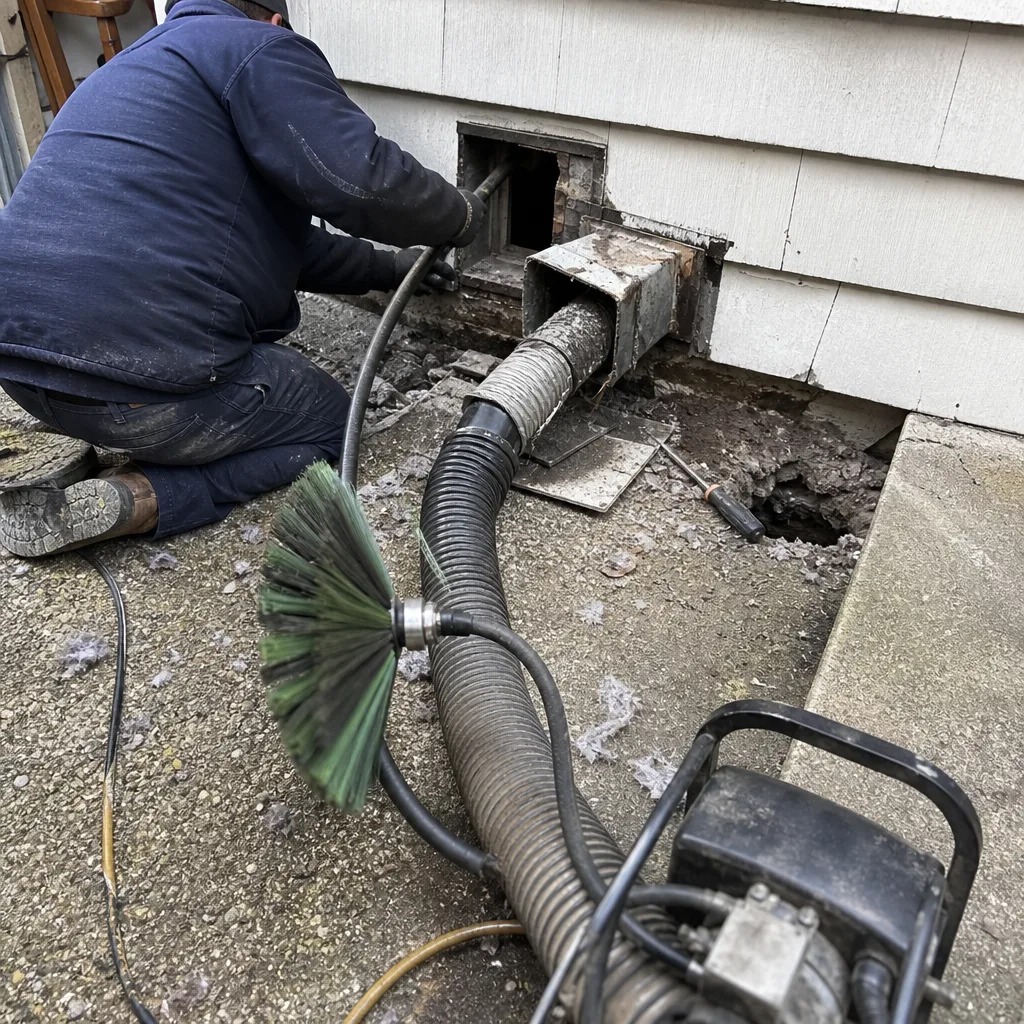 Before
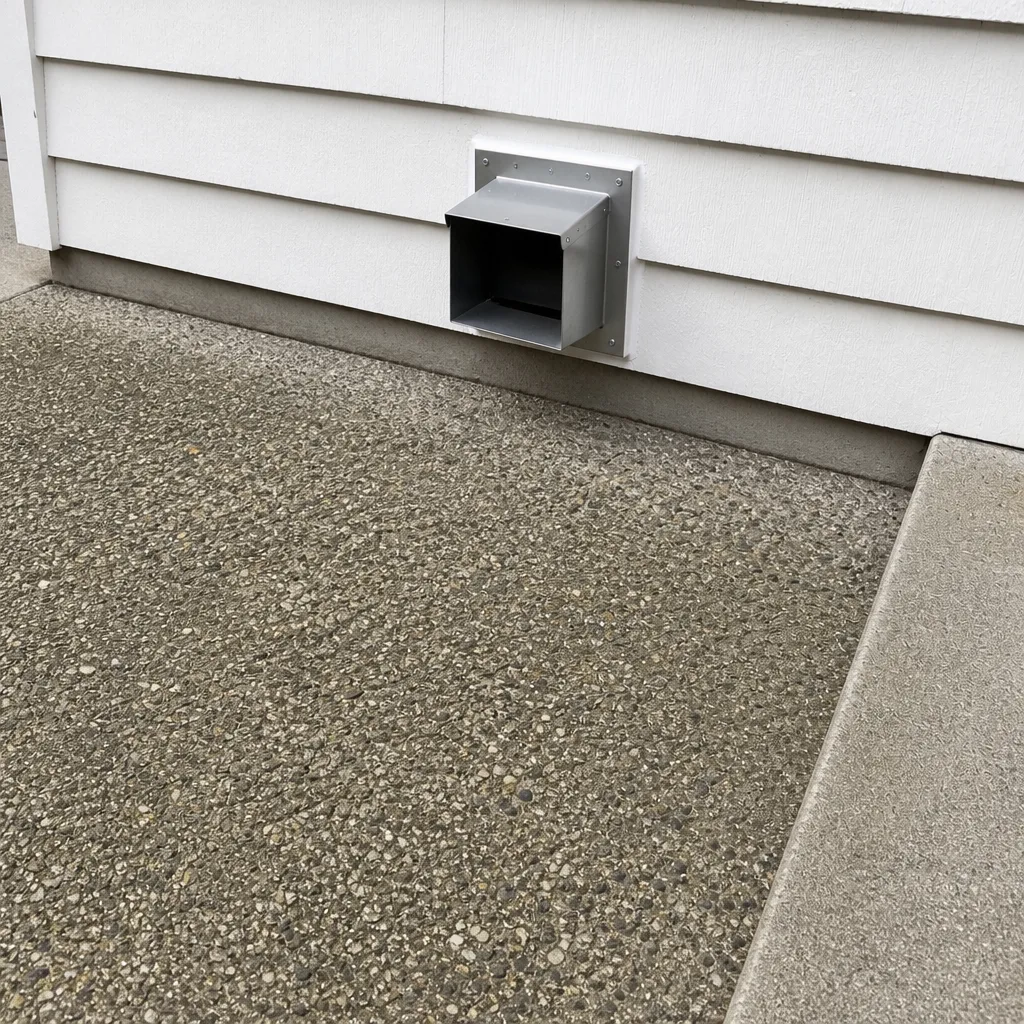 After
When to Call a Professional
Call a professional when you can’t trace a problem to a filter or a register, when an odor persists after a cleaning, when filters are clogging far faster than they used to, or when a renovation (yours or a neighbor’s) has clearly changed the dust load. Call sooner if you see damaged joints, a loose filter frame, or signs of pest activity in the returns. And call immediately if you notice anything that suggests an electrical or gas-side problem inside the HVAC cabinet. For routine scheduling, a free assessment is the best place to start. Elmhurst Air Duct Cleaning offers free estimates in Elmhurst; call (855) 410-4866. We answer 24/7. Fast dispatch from 7am to 7pm, Sunday through Friday. Our technicians have up to 13 years of experience and can walk you through the assessment, the cleaning, and any repair the system needs.
Frequently Asked Questions
Every two to three years is the right starting interval for most Elmhurst residential buildings, with a longer three-to-five-year interval possible for well-sealed homes on quiet blocks. Denser attached construction, higher street-level particulate, and renovation activity push the interval shorter. Call (855) 410-4866 for an exact recommendation for your property; estimates are free.
Not automatically. The three-to-five-year figure describes an average home, and older Elmhurst buildings with original duct networks, more seams, or attached construction tend to need a tighter schedule. Use the interval as a baseline and adjust for building age, filter loading, and street exposure. A professional assessment will tell you which applies.
Inspect registers and grilles each season, replace filters on schedule and log the dates, run a small relative humidity monitor, and photograph visible changes. These tasks take a few minutes each quarter and give your technician real information at the next visit. Anything inside the ducts, the HVAC cabinet, or the dryer vent should wait for the professional.
Yes, in attached buildings. Renovation dust migrates through shared cavities and return paths, and it can noticeably raise the dust load in your ducts. Watch your filters and registers over the next few months, note the renovation dates in your log, and add a cleaning to your calendar if filter loading accelerates.
Three signals are reliable: filters clogging noticeably faster than usual, visible dust at more registers than before, and a musty odor the first time a season’s heating or cooling runs. Any of these warrants an assessment before the next scheduled date. Call (855) 410-4866 for an exact quote; estimates are free.
Yes, when the joints and seals are compromised. A clean duct network with loose or leaking joints starts refilling with dust right away, so the next cleaning comes sooner than it should. Combined visits handle both problems in one assessment. That’s why Duct Repair & Sealing is always on the table during a cleaning visit, not a separate service sold later.
The Bottom Line
The three-to-five-year cleaning interval is a useful starting point, not a rule for every property. In Elmhurst, denser attached construction and street-level particulate load mean most homes should be on a two-to-three-year cadence, adjusted by filter loading, odor, and renovation activity. Track filter changes, inspect registers seasonally, log what you find, and reset the clock after any renovation. Schedule a full-system assessment rather than a ducts-only cleaning so the HVAC unit, dryer vent, and duct integrity are covered at the same time. A few minutes of calendar work each quarter goes a long way toward keeping the schedule right, and one professional assessment at the start tells you where to set the calendar in the first place. If you’d like to build your schedule on real information about your property, call Elmhurst Air Duct Cleaning at (855) 410-4866 for a free estimate. We answer 24/7. Fast dispatch from 7am to 7pm, Sunday through Friday. Learn more at Elmhurst Air Duct Cleaning.
Written by the team at Elmhurst Air Duct Cleaning.