
Last updated November 22, 2026
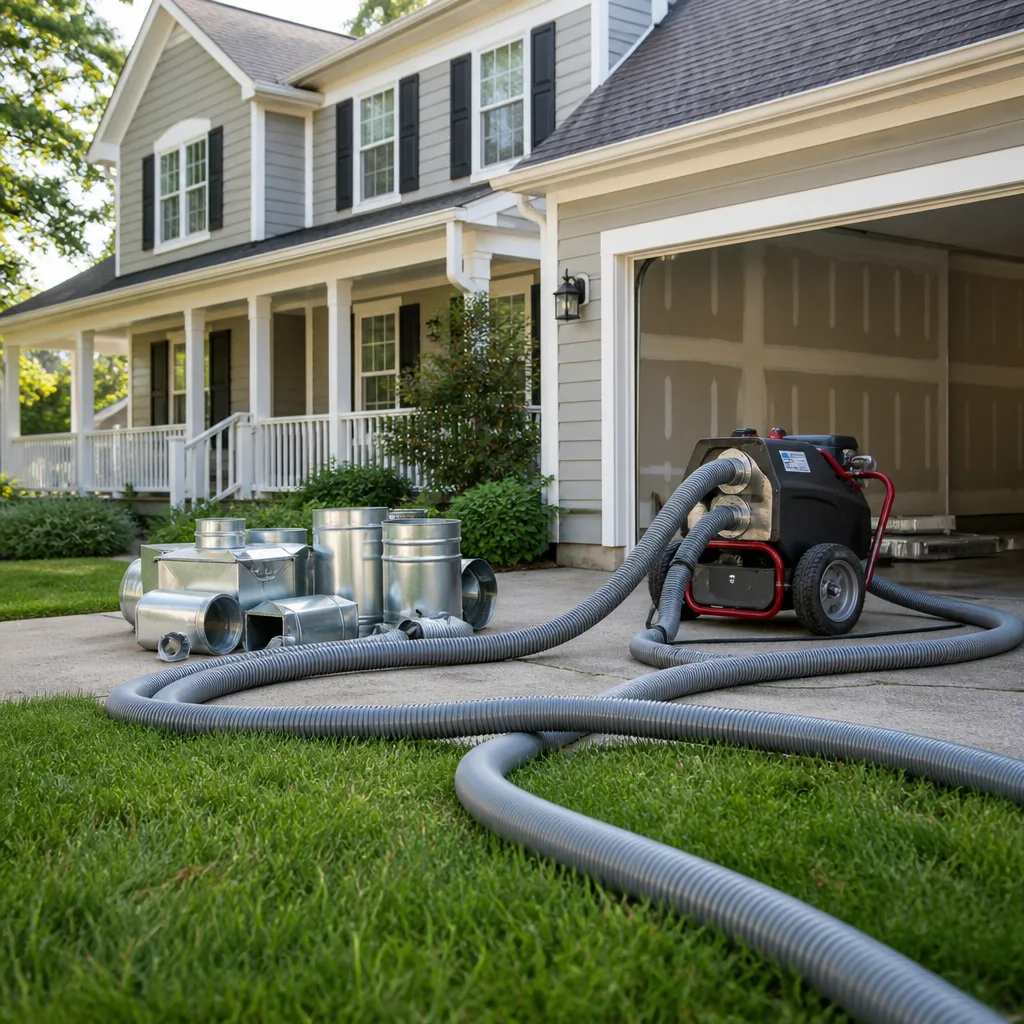 Whole-home duct cleaning
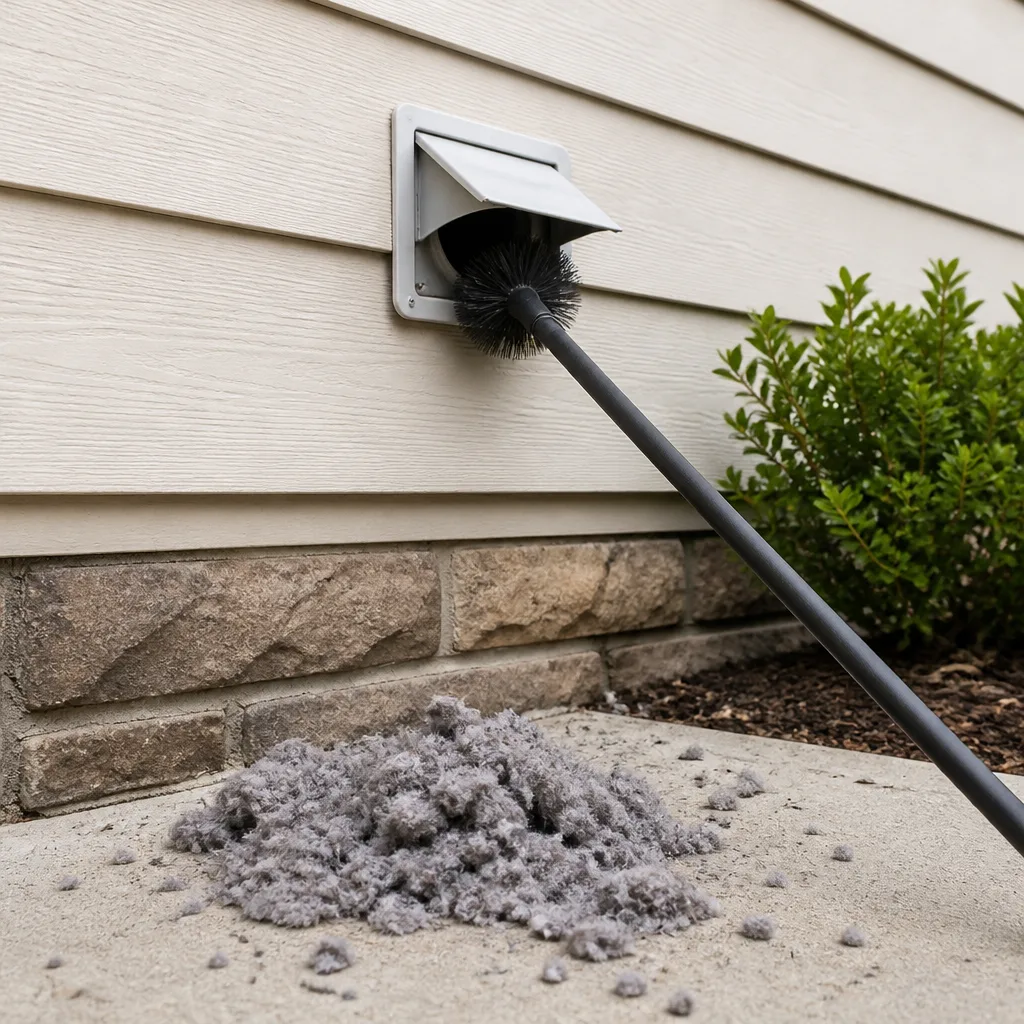 Dryer vent cleaning
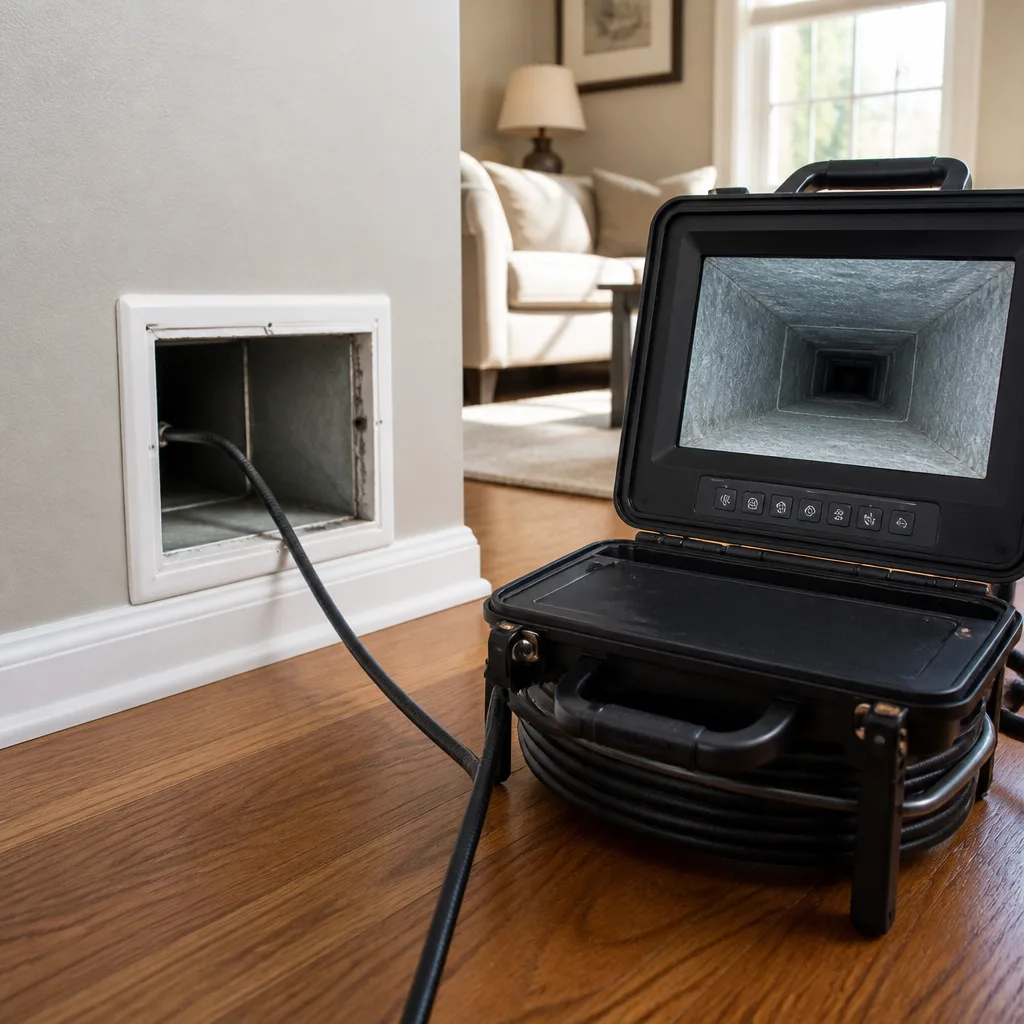 Camera inspection
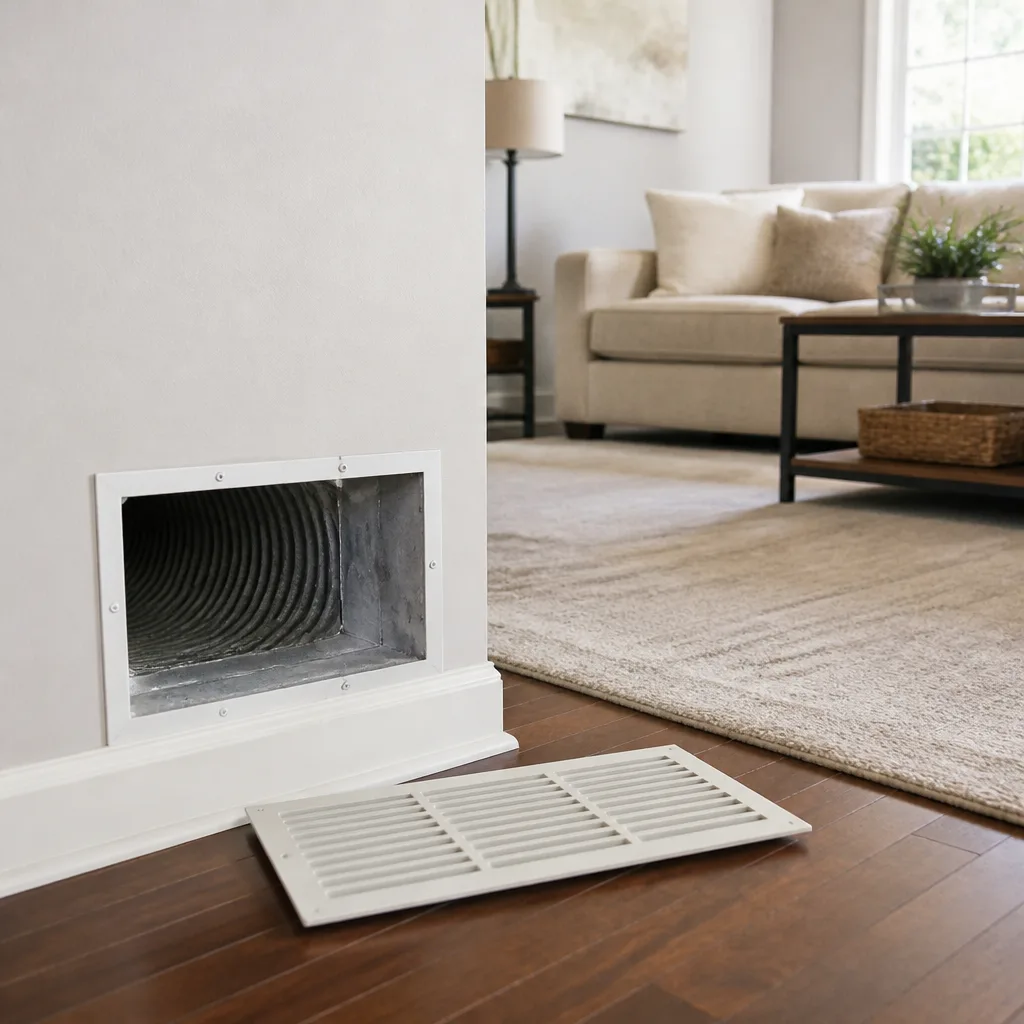 Sanitizing & deodorizing
Whole-system duct and dryer vent check with before-and-after photos - you see exactly what came out of your vents
That "$99 whole-house special" is a bait ad - the real number appears once they are in your hallway, or the "clean" is a shop-vac at the register. We photograph the inside of your ducts before and after instead.
Air Duct Cleaning Warning Signs: An Elmhurst Homeowner’s Reference Guide
Most warning-sign lists tell you what to notice. This one explains the mechanism behind each symptom, so you can tell a genuine duct problem apart from a filter issue, an HVAC issue, or a building envelope issue that cleaning alone won’t fix. Here’s the counterintuitive part: visible dust puffing from a register is a late-stage sign. By the time you can see it, whatever collected inside the system has already been circulating for weeks. The signals that matter most arrive earlier and are almost always misread. This guide walks through the smells, the temperature patterns, the bills, and the symptom patterns that point back to your ductwork, plus the spots you can safely check yourself in Elmhurst before you call anyone.
Quick Answer
The main warning signs of a duct problem are a smell that returns after cleaning the room, rooms that never reach the thermostat setting, energy bills that climb while the equipment stays the same age, allergy symptoms that ease when you leave the house, and visible dust or debris at registers and return grilles. In Elmhurst, the first three are the ones homeowners most often blame on equipment when the ducts are actually the cause. Cleaning fixes contamination. It does not fix leaking, disconnected, or undersized ductwork, and that distinction decides what kind of help you actually need.
Styles & brands we work with
- Whole-home duct cleaning
- Dryer vent cleaning
- Camera inspection
- Sanitizing & deodorizing
Table of Contents
- What the smell tells you: dust, musty, and burning are three different problems
- Why uneven room temperatures are often a duct problem before a thermostat problem
- Reading rising energy bills as a duct leakage indicator
- Allergy patterns that correlate with duct contamination
- What you can safely check yourself before calling anyone
- Dryer vent warning signs that have nothing to do with air quality
- When cleaning isn’t enough and the ducts need repair and sealing
- Common mistakes to avoid
- When to call a professional
What the Smell Tells You: Dust, Musty, and Burning Are Three Different Problems
Smell is the most reliable early signal a duct system gives, and the worst mistake is treating all three smell types as one problem. Each one points to a different root cause and calls for a different response. If you remember nothing else from this guide, remember that.
A dry, dusty smell when the heat or air first comes on is usually accumulated particulate sitting on duct interior surfaces, register vanes, and the heat exchanger face. It’s the mildest of the three. A filter change and a full-system air duct cleaning typically resolves it. If the smell persists in only one room, the problem is local to that branch line rather than the whole system.
A musty, damp, or basement-like smell points to moisture. Somewhere in the system, condensation is collecting, or humid air is being drawn from a damp space like a crawlspace or an unfinished basement in an older Elmhurst home. This matters because cleaning a duct that has an active moisture source just means it gets dirty again. The moisture has to be found and corrected first. This is the smell that most often calls for sanitizing rather than straight cleaning, because microbial growth behaves differently from dust.
A burning or hot-wire smell is different in kind. It is not a cleaning sign, it is a safety sign. Turn the system off, ventilate the space, and call for service. Duct cleaning will not fix a burning smell, and running the system while it’s present is not something to do while you wait.
One pattern in our experience worth noting: musty smells in Elmhurst tend to be seasonal. They show up when a system transitions from cooling to heating and back again, because that’s when condensation patterns change inside the ductwork and any organic material that collected over the prior season starts to off-gas. If your smell has a calendar, moisture is the likely story.
Why Uneven Room Temperatures Are Often a Duct Problem Before a Thermostat Problem
When one room is always too hot or too cold, most homeowners replace the thermostat. Sometimes that’s right. More often than not, the thermostat is doing exactly its job while the ducts are failing to deliver what it asked for. Here’s how to tell the difference before you spend money on equipment.
The thermostat senses temperature at one location, usually a hallway or a central living area. It calls for heat or cooling until that location reaches the setpoint, and then it stops. If the duct branch feeding a back bedroom is leaking, pinched, disconnected at a joint, or simply too long to carry enough air, that bedroom will stay off-setpoint no matter what the thermostat reads. You can swap thermostats for a year and the bedroom won’t change, because the thermostat was never the problem.
A few patterns point toward ducts rather than equipment:
- The problem room is always the same room. Equipment problems usually show up everywhere. A duct problem follows the branch that’s failing.
- The problem follows distance from the air handler. Rooms at the far end of the run of ducts tend to be the ones with restricted airflow.
- The problem changes with seasons. A leaking supply duct in an unconditioned space loses cooling capacity in summer and heat in winter, sometimes with a different severity each way.
- One room feels drafty at the register. If the air coming out feels weak or the register whistles under pressure, that branch is likely restricted or leaking.
In our experience, this is one of the single hardest things to diagnose from the outside, and the reason is that Elmhurst has a wide variety of home ages and duct configurations. An older home may have a duct system that was retrofitted into cavity spaces rather than designed for the current floor plan. A newer home may have a system that was designed but poorly installed. Neither one can be sorted out by looking at the thermostat. Duct repair and sealing work begins with an assessment of the actual ductwork, not the controls, and that’s the conversation worth having before you decide to replace anything.
Reading Rising Energy Bills as a Duct Leakage Indicator
Energy bills don’t drift upward in a vacuum. When they do, most people look at the equipment first: an aging furnace, a compressor on its last legs, a water heater working harder. That instinct is understandable, and sometimes correct. But a leaky duct system is a common and underdiagnosed contributor to rising bills, and it can produce the same signature an aging system does.
The mechanism is straightforward. A supply duct that leaks into an attic or a wall cavity is delivering conditioned air to a space that isn’t your living room. Your equipment is burning energy to condition air that never reaches the room you’re sitting in. Similarly, a return duct that leaks in a basement or crawlspace pulls unconditioned, sometimes dirty air back into the system, which then has to be conditioned again. Both waste energy, and neither one announces itself clearly.
Three bill patterns are worth watching in Elmhurst homes:
- A bill that’s rising year over year in comparable weather. Compare two months with similar outdoor temperatures. If the newer bill is meaningfully higher, something changed. Duct leakage is one plausible cause, though not the only one.
- A summer bill that’s risen faster than a winter bill, or vice versa. Season-specific jumps often point to the duct run that runs through unconditioned attic space. That’s the branch that leaks the most when the temperature differential between the duct interior and the attic is largest.
- A bill that’s high while comfort is fine, or comfort that’s fine while the bill is high. This is the tell that points at leakage specifically. Your system is working, it’s just working harder than it should to deliver the same result.
What this guide won’t do is promise a dollar amount. Energy savings vary by home, season, duct condition, and how the leak is sealed. What we can say is that duct leakage is measurable, that a proper assessment can find it, and that sealing a leaking joint is one of the more predictable HVAC improvements a homeowner can make. The bill is a signal worth investigating. It is not a diagnosis on its own.
Allergy Patterns That Correlate with Duct Contamination
This is the section where homeowners most often point in the wrong direction, and understandably so. Allergy symptoms have many causes. Outdoor pollen, pets, dust mites, mold coming through the building envelope in ways that never touch your ducts, seasonal changes, and a dozen other factors can all produce the symptoms a contaminated duct system produces. Telling them apart requires paying attention to patterns, not to the symptoms themselves.
The patterns that correlate with duct contamination look like this:
- Symptoms that ease when you leave the house and return when you come home. This is the most reliable single pattern. If you feel better at work or on travel and worse at home within a day or two, the problem is in the building, and the ducts are a place to look.
- Worse in the morning and after the system has been running. A system that starts up after a long off-cycle pushes collected debris into the air in one concentrated burst. If your symptoms cluster around that burst, the duct system is the likely source.
- Worse in one room than another. A single bedroom with a chronic cough or chronic stuffiness points at that branch rather than at the whole house.
- Symptoms that worsen when seasons change. The transition from heating to cooling and back again disturbs the inside of the duct system. That disturbance moves debris into the supply air.
- A pet-allergic household member reacting to a system that never reacted before. This one is subtler. Pet dander can collect inside a duct system and be redistributed over years, even after the pet has left the house.
The misread here is assuming the fix is medical. It isn’t, and it isn’t the ducts alone, either. Allergy symptoms require a real conversation with a clinician, and duct cleaning is not a medical treatment. What we can offer is that the duct side of the equation is testable. If the pattern matches, a proper assessment tells you whether contamination is present and whether the cause is upstream or in the ductwork itself.
When the cause is upstream, meaning pets, textiles, cooking, and everyday use, cleaning will help and the system will stay cleaner longer with an upgraded filter. Honeywell and Aprilaire make filter and air treatment products we use, and they’re more effective than a generic filter swap because they’re matched to the system rather than installed on top of it. When the cause is microbial, sanitizing addresses the contamination itself. The point is that both paths exist, and choosing between them requires knowing which problem you’re addressing.
What You Can Safely Check Yourself Before Calling Anyone
You don’t need equipment to notice the earliest signs. A flashlight, a screwdriver, and thirty minutes of attention will tell you a great deal about your system, and everything in this section is safe to do without opening any part of the HVAC equipment. If you’re going to look, look at these four places, in this order.
- Registers. Pull a supply register off and look inside the duct with a flashlight. What you want to see is a duct surface you can identify: metal or a clean interior liner. What you don’t want to see is visible fuzz, dark staining on the liner, or debris resting on the bottom of the duct. A light dust film is normal. Buildup on the walls is not.
- Return grilles. Lift or unscrew an accessible return grille. Return ducts carry the dirtiest air in the system, so they’re often the best indicator of overall condition. Look for matted dust on the grille itself, staining in the immediate duct behind the grille, and debris resting on the duct floor. If the return is heavily loaded, the supply air is too.
- Filter condition. Check your filter against the manufacturer’s minimum-recommended replacement interval for your filter type. A filter that’s dark gray after only a few weeks of service means heavy loading upstream of the filter, which is often a sign of overall system dust. A filter that’s clean after six months tells you the system is relatively clean. Both are useful information, and both are safe to check.
- Dryer vent termination from the outside. From outside the house, look at where the dryer vent exits. You want to see a functioning flapper that opens when the dryer runs and closes when it stops. You don’t want to see a screen packed with lint, a flapper that doesn’t move, or a termination that’s blocked by landscaping. Check it from outside only. Do not pull the dryer out and disconnect the duct yourself; that’s a job for a technician.
The whole assessment takes half an hour and produces real information. If you find one of the four warning signs in this section, keep reading. Each one leads to a different conversation.
What you should not do is open equipment panels, pull the air handler, or disassemble ductwork. Those parts of the system are not safe to inspect without a technician, and an incorrect reinstallation is a worse problem than the one you went looking for.
Dryer Vent Warning Signs That Have Nothing to Do With Air Quality
Dryer vents are the most overlooked part of the duct system in an Elmhurst home, and the warning signs are easy to explain once you know what to look for. A dryer that takes two cycles to dry a load of towels, clothes that feel hot and damp at the end of the cycle, or a laundry room that stays humid and smells of fabric softener long after the load is done are all signs that the vent line is restricted. Each one means air isn’t moving the way it’s supposed to.
The mechanism matters because it explains the risk. A dryer moves a large volume of air per cycle. That air carries lint. Lint accumulates wherever airflow slows, which is most often at the elbows, at the transition where the dryer connects to the wall, and at the outside termination. Over time, that accumulation reduces the flow rate, and reduced flow rate lets more lint deposit. Once a vent line is heavily restricted, it becomes a fire hazard because the lint deposits dry with the heat of the dryer running. This is why dryer vent cleaning is a routine service rather than an optional one, and why we treat it as part of the same indoor air system as the ductwork. Proper dryer vent cleaning is a scheduled job, not an emergency, and it belongs on the same calendar as a duct cleaning.
The safe checks a homeowner can make are limited to the outside termination and the immediate area around the dryer. If the outside flapper doesn’t move when the dryer runs, or the flexible line behind the dryer is visibly crushed or kinked, that’s your sign. Everything past that point may need a technician.
When Cleaning Isn’t Enough and the Ducts Need Repair and Sealing
Sometimes the duct system isn’t dirty, it’s broken. Cleaning a duct that has a separated joint, a disconnected branch, crushed flex duct, or a misrouted run just distributes debris through a broken system. This is one of the biggest gaps in the industry, and the reason our HVAC cleaning work begins with an assessment of duct integrity before cleaning starts.
Signs that repair rather than cleaning is the primary need:
- Comfort problems that cleaning didn’t change. If a room was cold before cleaning and still cold after, the branch feeding it has a delivery problem, not a dirt problem.
- A leak you can hear or feel. A register that whistles, a joint that hisses, or a place where you can feel air escaping into a wall cavity is a leak that needs sealing.
- Visible torn or disconnected ductwork. Flexible duct that has separated at a collar, or duct sections that have come apart at a joint, are not going to be fixed by cleaning.
- Bills that don’t improve after equipment service. If the equipment is new or recently serviced and bills are still high, the leakage is elsewhere in the system.
- Any ductwork in unconditioned space. Attic ducts in Elmhurst homes are exposed to seasonal extremes and lose more conditioned air to leakage than interior ductwork does.
Duct repair and sealing work follows a simple process. The system is assessed first, so we know where the leaks are. Then repairs and sealing address what the assessment found. Cleaning comes after, so the system doesn’t need to be cleaned twice. And if there’s a moisture problem behind a musty smell, sanitizing is the last step. Honeywell and Aprilaire duct components, along with Abatement Technologies products, are the components we recommend because they’re matched to the repair, not just installed on top of it. The point is to address the cause, and cleaning alone doesn’t do that in every case.
Common Mistakes to Avoid
- Treating a musty smell like a dust smell. A musty smell means moisture somewhere in the system, and cleaning without finding the moisture source just means the problem returns. Called for sanitizing, not just cleaning.
- Replacing the thermostat to fix one cold room. If the same room is always the problem and the thermostat reads correctly in the rest of the house, the thermostat is doing its job. The duct branch feeding that room is what needs a look.
- Relying on a dust smell as the earliest signal. It’s one of the latest. Buildup visible on duct walls is the sign that the problem has been developing for months, and the earlier dust and bill signals are what most homeowners miss.
- Calling a cleaner when the problem is a leak. If the ducts are leaking or disconnected, cleaning doesn’t fix it. Ask the assessor about duct integrity before committing to a cleaning-only visit.
- Checking a return grille without checking the branch behind it. The grille condition tells you what the return air is doing. The grille doesn’t tell you about the supply branch that ends in the same room.
- Assuming a residential-grade shop vacuum can stand in for professional equipment. Consumer equipment doesn’t reach the duct surfaces that matter, and it can dump collected debris back into the air. The Rotobrush and Nikro systems we use are built for ducts and have the reach to clean the branches properly.
- Treating dryer vent cleaning and duct cleaning as unrelated. They’re two parts of the same indoor air system. One coming due usually means the other is due around the same time.
See the difference
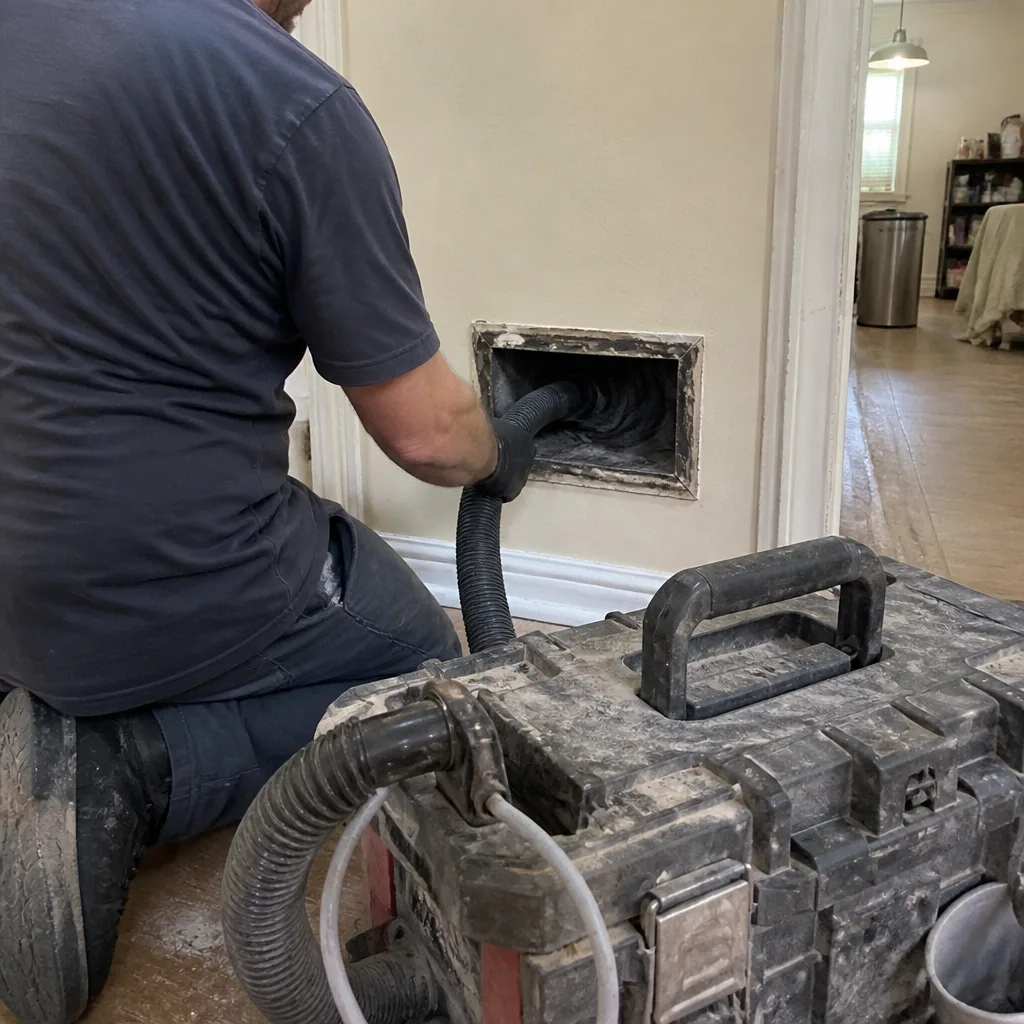 Before
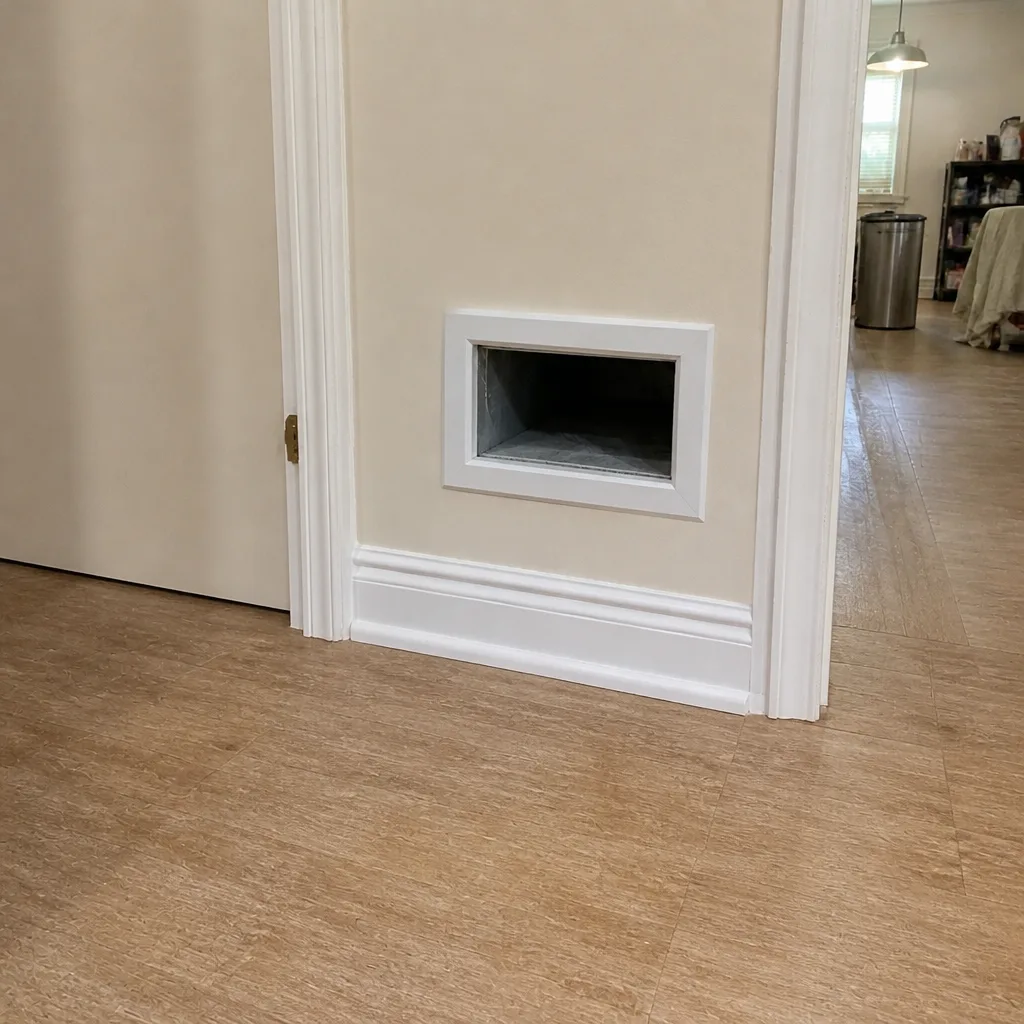 After
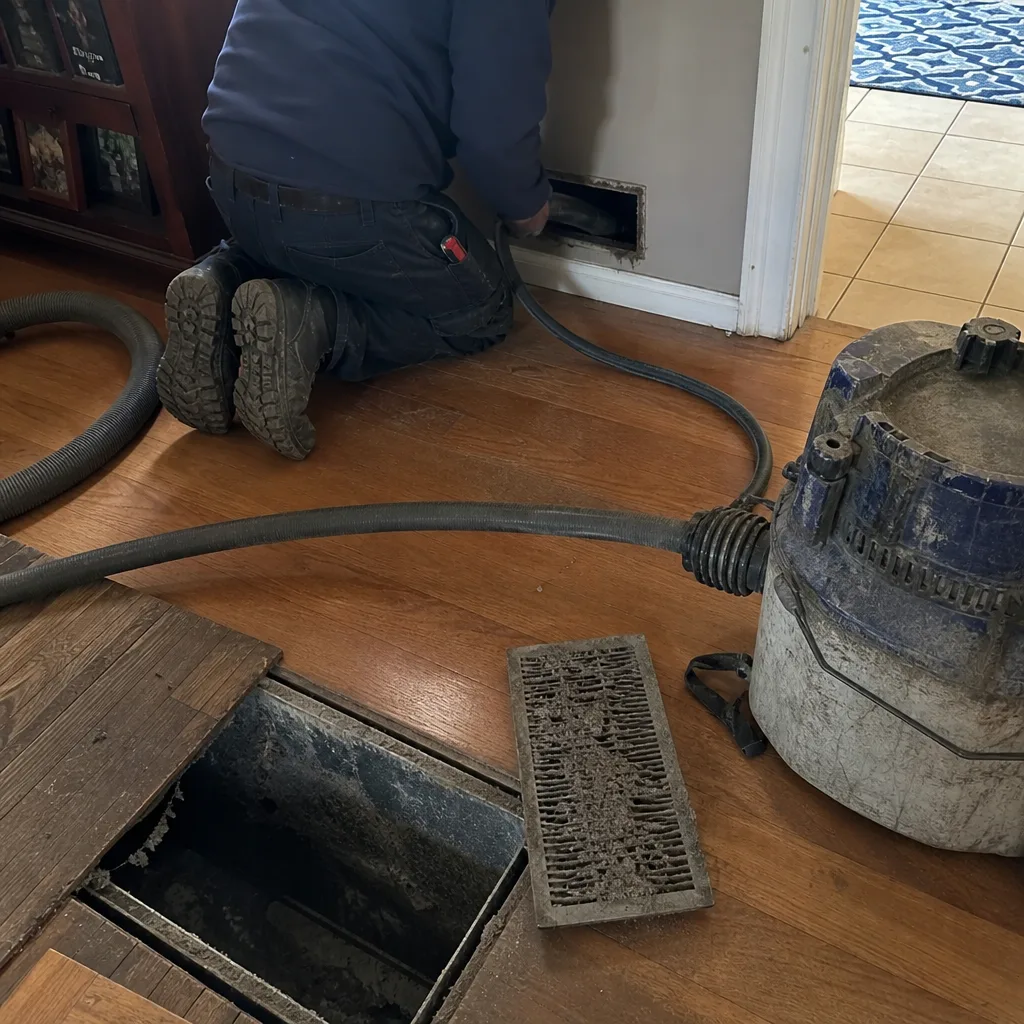 Before
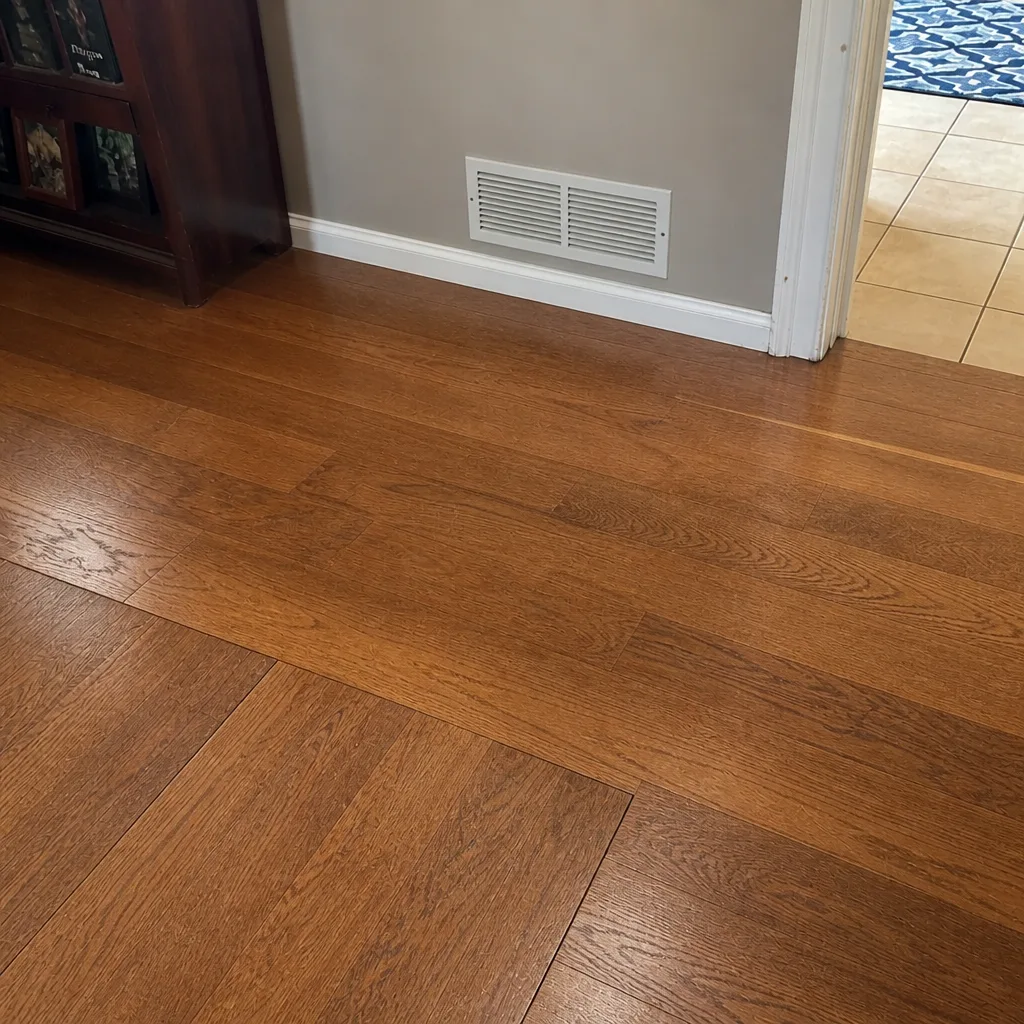 After
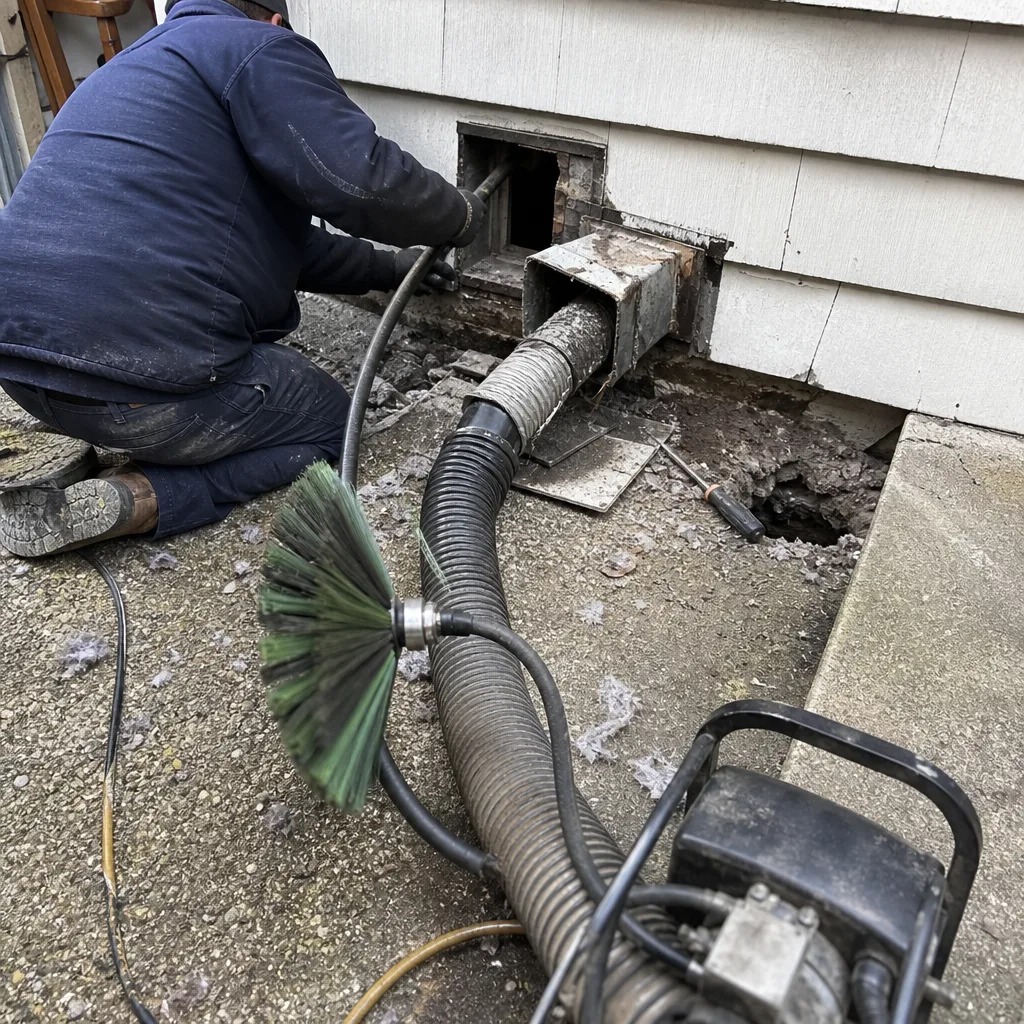 Before
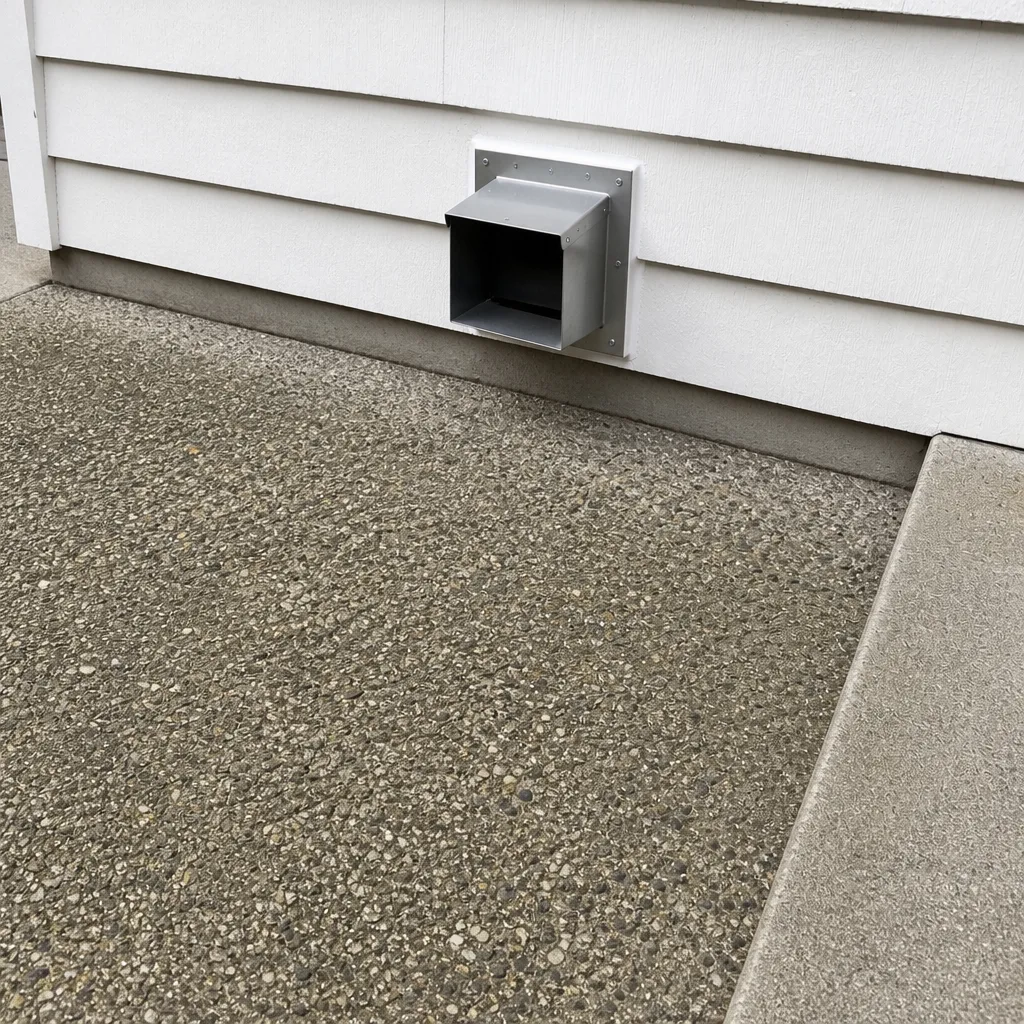 After
When to Call a Professional
Call a professional when you notice any of the following. A burning smell, which is a safety issue and calls for the system to be shut off immediately. Visible debris or dark staining inside an accessible duct. Rooms that never reach the setpoint no matter what the thermostat reads. Energy bills rising while equipment is otherwise serviced and unchanged. Allergy symptoms that pattern-match duct contamination, especially symptoms that ease when you leave the house and return when you come home. A dryer that takes more than one cycle for a standard load, or a vent termination you can’t see moving from outside. A musty smell in the system. Any of these is reason enough to have a professional look, and the sooner the assessment, the easier the fix usually is. Elmhurst Air Duct Cleaning offers free estimates in Elmhurst. Call (855) 410-4866. We answer 24/7. Fast dispatch from 7am to 7pm, Sunday through Friday.
Frequently Asked Questions
An energy bill that rises without a change in equipment, or a room that never reaches the thermostat setpoint, both arrive earlier than visible dust at the registers. Visible dust is a late-stage sign. The bill signal and the temperature signal are the two most useful early indicators. If either has appeared, call (855) 410-4866 for an assessment. Estimates are free.
A dry dust smell when the system first starts is usually duct contamination, while a musty smell points to moisture somewhere in the duct system, and a burning smell should be treated as a safety issue and the system shut off. The musty smell is the hardest to sort out because the moisture source can be outside the ductwork. A proper assessment will trace the source. Call (855) 410-4866 to book an assessment.
Cleaning removes debris and can improve airflow, but the more significant bill effect comes from finding and sealing duct leaks. A dirty duct isn’t usually the largest energy loss in the system; a leaky duct is. For a clear picture of which one is driving your bill, call (855) 410-4866. Estimates are free.
A single cold room usually means the duct branch feeding it is restricted, leaking, or disconnected, not that the thermostat or the equipment is wrong. If the cold follows the branch rather than the equipment, that’s a duct problem. Call (855) 410-4866 to have the branch checked. Estimates are free.
For most Elmhurst homes, every few years is a reasonable baseline, with more frequent cleaning after renovations, after moving into a house with unknown history, or if someone in the household has ongoing allergy symptoms. A house that has never had its ducts cleaned in a long time tends to benefit from an assessment first. Call (855) 410-4866 to schedule one.
Cleaning removes what’s inside the ducts; repair and sealing fix the joints, connections, and integrity problems that keep letting dirt in and air out. A system with leaking ducts will get dirty again quickly after cleaning. If you’re not sure which you need, the assessment will tell you. Call (855) 410-4866 for a free estimate.
The Bottom Line
Warning signs of a duct problem are easy to misread because several of them look like equipment problems, thermostat problems, or allergy problems. The smell is the most specific signal, but the type of smell matters: dry dust points at contamination, musty points at moisture, burning points at safety. Uneven rooms and rising bills both point at the ducts before they point at the controls, and the pattern of when symptoms ease or worsen tells you whether you’re looking at indoor air or something else. The four safe checks are quick, useful, and don’t require opening the equipment. If one of them turns up a sign, the next step is a real assessment, not a coupon.
Where to Go From Here
Elmhurst Air Duct Cleaning approaches your system as a full picture: ducts, HVAC equipment, dryer vent, duct integrity, and air quality, all under one assessment. We use Rotobrush and Nikro professional-grade equipment, work with Honeywell, Aprilaire, Abatement Technologies, and Guardsman brands where air quality and sanitizing are part of the fix, and we repair what we find rather than leaving a leaking duct behind after a cleaning visit. Our technicians have up to 13 years of experience, and every estimate is free. The estimate sets the price before any work begins, so you know what you’re approving. Ready to find out which of these warning signs applies to your home? Call (855) 410-4866. We answer 24/7. Fast dispatch from 7am to 7pm, Sunday through Friday. Visit Elmhurst Air Duct Cleaning to see the full range of services.
Written by the team at Elmhurst Air Duct Cleaning.