
Last updated November 22, 2026
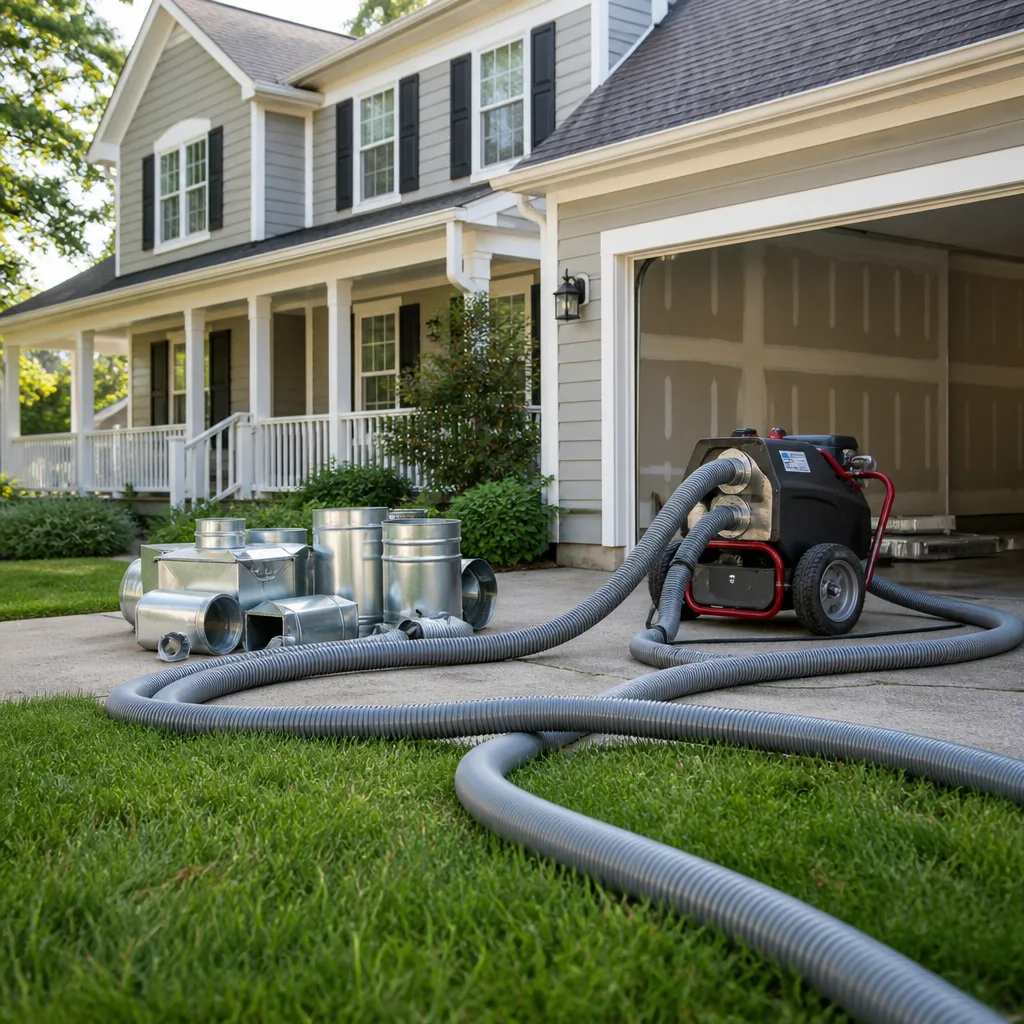 Whole-home duct cleaning
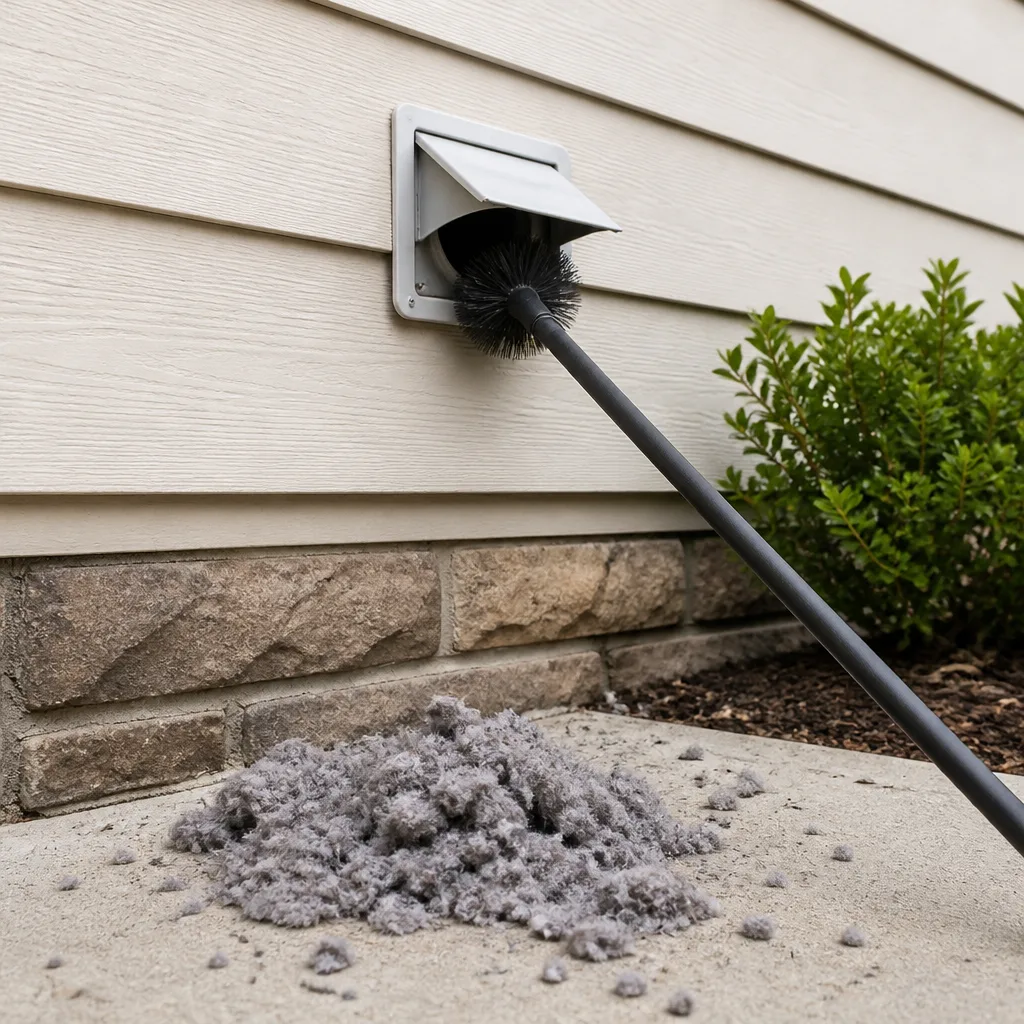 Dryer vent cleaning
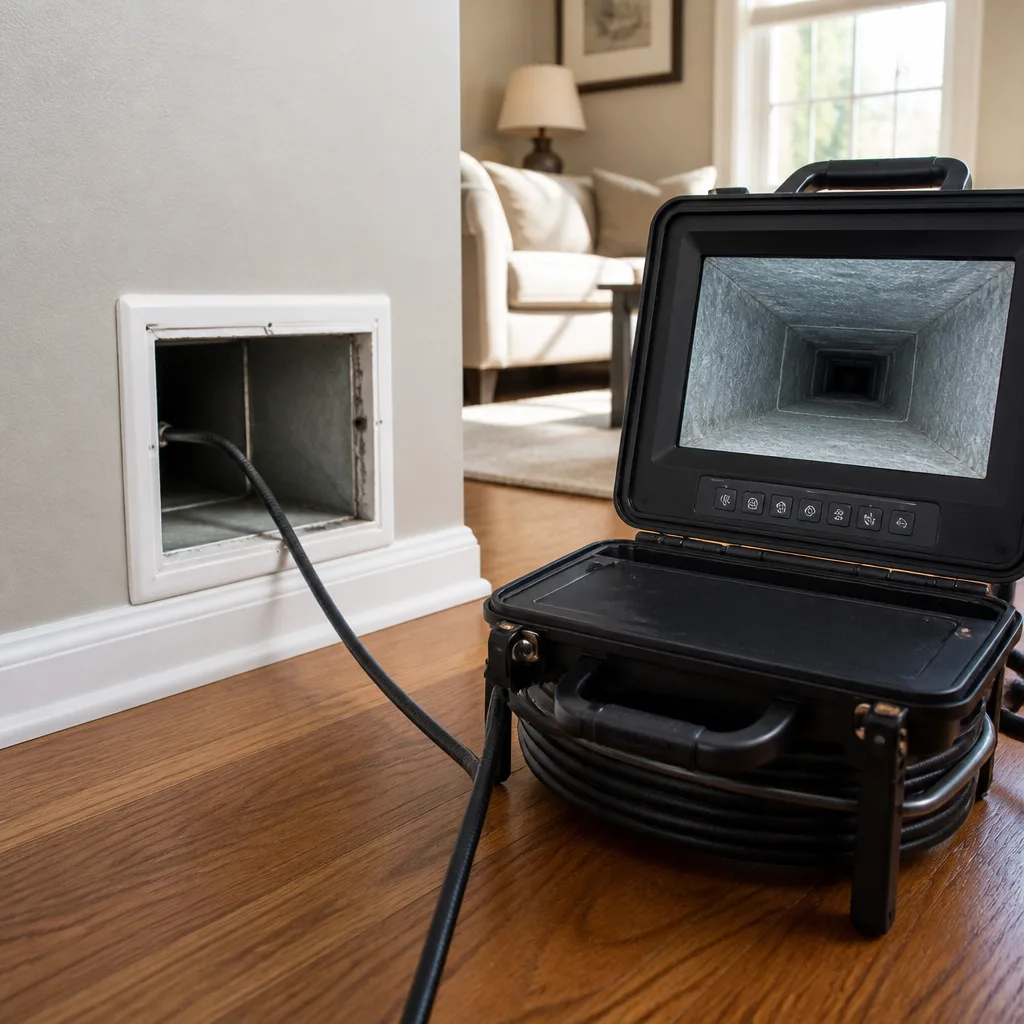 Camera inspection
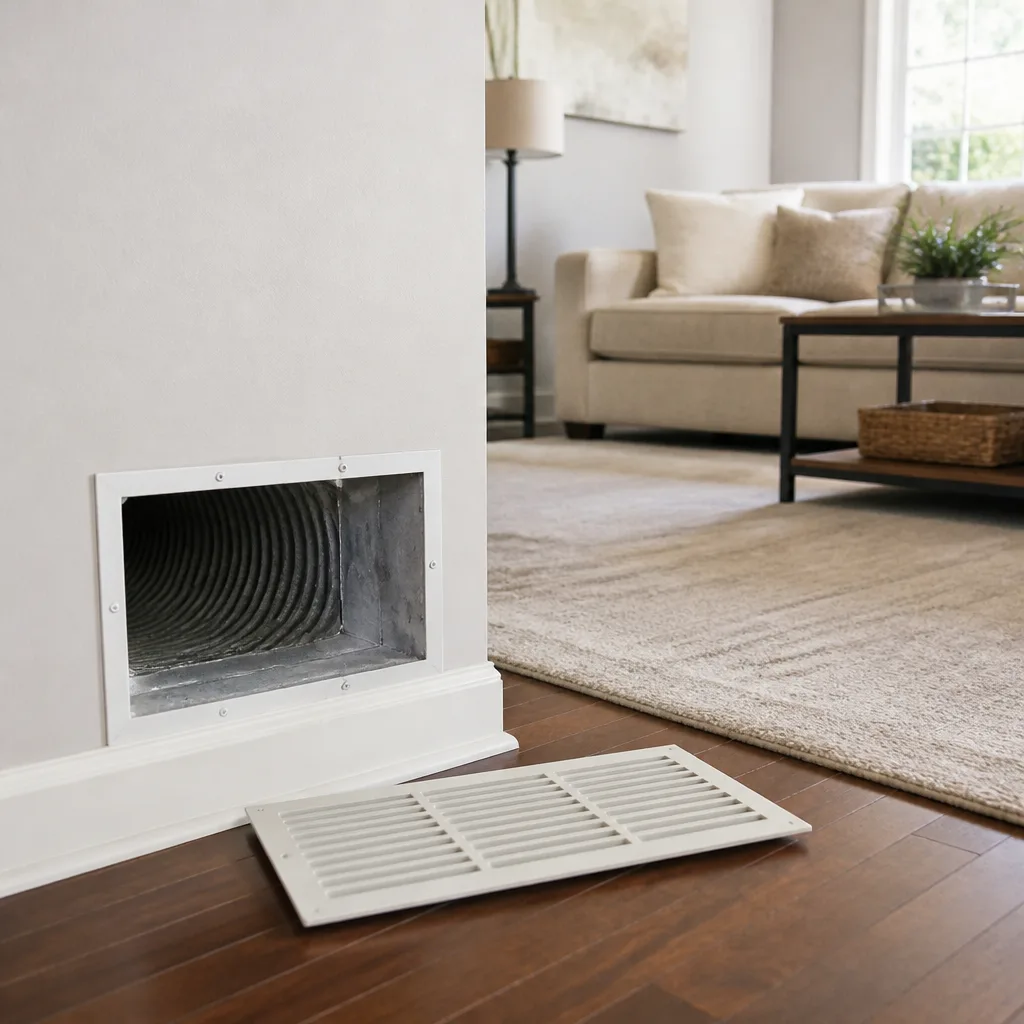 Sanitizing & deodorizing
Whole-system duct and dryer vent check with before-and-after photos - you see exactly what came out of your vents
That "$99 whole-house special" is a bait ad - the real number appears once they are in your hallway, or the "clean" is a shop-vac at the register. We photograph the inside of your ducts before and after instead.
Air Duct Cleaning Troubleshooting in Elmhurst: Common Problems and How to Fix Them
If your ducts were cleaned six months ago and you’re still finding dust settled on the return grilles, the cleaning probably didn’t fail. Something upstream in the system did. This is the part most homeowners skip: they treat a duct cleaning as a reset button, then wonder why the dust returns within a season. In practice, weak airflow, recurring dust, and mystery odors each point to a specific mechanical cause, and a systematic inspection can identify it before anyone hooks up a vacuum. This guide walks through those symptoms one at a time, what each one usually means in an Elmhurst home, and when cleaning is the fix versus when sealing or replacement is the only durable answer.
Quick Answer
Most duct problems in Elmhurst homes trace back to one of four causes: a leak or disconnected joint in the duct run, an undersized return that recirculates dust, microbial growth in a damp section of ductwork, or debris the last cleaning left behind in the plenum or branch lines. Cleaning alone fixes only the fourth. The other three need inspection, sealing, or repair, which is why a diagnostic walkthrough should come before any cleaning job.
Styles & brands we work with
- Whole-home duct cleaning
- Dryer vent cleaning
- Camera inspection
- Sanitizing & deodorizing
Table of Contents
- Is it a dirty duct problem or a system design flaw?
- What your duct odor is telling you
- Why airflow gets weak after a cleaning
- How to self-inspect at the register
- When cleaning is temporary and sealing is the real fix
- Elmhurst-specific problems: older housing stock and tight returns
- What a proper diagnostic inspection actually involves
- Common mistakes to avoid
Is It a Dirty Duct Problem or a System Design Flaw?
This is the first question worth answering, and it’s the one that gets skipped most often. A dirty duct produces dust evenly, everywhere, proportional to how much air passes through. A design flaw produces dust unevenly, with some rooms noticeably worse than others and one or two registers that never seem to stay clean no matter what you do. Learning to read that difference saves you from paying for a cleaning that won’t hold.
Dirty duct symptoms tend to look like this:
- Dust accumulates on every return grille at roughly the same rate
- Airflow feels similar at every register when you hold a tissue to it
- Dust is dark, grey, and consistent in texture
- Rooms with more foot traffic collect more dust, which is expected
A design flaw, by contrast, shows up like this:
- One or two rooms are always dustier than the rest
- The HVAC system runs long cycles but some rooms never reach the thermostat setpoint
- The return grille in the hallway pulls hard enough to vibrate, while bedroom returns barely move air
- Dust reaccumulates within weeks of any cleaning
In our experience across Elmhurst, the design-flaw pattern is common in homes where a finished basement or attic conversion added supply vents without adding return capacity. When the return is undersized, the system pressurizes the supply side and pulls dust through every gap in the ductwork rather than through the filter. That recirculation is a mechanical issue, not a cleanliness one. If you want to understand what a proper Elmhurst Air Duct Cleaning assessment should be checking for, undersized returns and pressure imbalance sit at the top of the list.
What Your Duct Odor Is Telling You
The type of smell is the single most diagnostic clue you get for free, and it tells you where in the system the problem lives. Ignore the intensity and listen to the character of the odor instead. Three categories cover most cases.
Musty, damp, or mildew smell
Musty odor points to microbial growth somewhere cool and wet. In Elmhurst that usually means a duct run passing through an unconditioned attic, a crawlspace, or a basement that picks up humidity in summer. The growth sits on duct liner, on insulation facing, or in a low spot where condensation collects. Cleaning removes the growth but not the moisture, so sanitizing without fixing the moisture source only delays the return. That’s the case where professional sanitizing paired with a Guardsman or Abatement Technologies treatment makes sense, and where the real fix is sealing the duct run against humid air.
Burnt or hot-metal smell
A burnt smell is never a duct problem. It points to the air handler, blower motor, or a failing electrical component inside the HVAC cabinet. Turn the system off and have it inspected. Duct cleaning won’t touch it, and running the system with a hot electrical smell can turn a small repair into a large one.
Chemical or solvent smell
A sharp chemical odor usually comes from a recently installed component, off-gassing duct sealant, or a cleaning product that wasn’t fully removed. Fresh construction or a recent renovation in an adjacent room can also migrate through return air. If the smell appeared after work was done in the house, that’s the first place to look.
If you can’t place the odor, note which rooms smell strongest and whether the smell appears only when the blower runs. That single observation narrows the source more than any inspection tool.
Why Airflow Gets Weak After a Cleaning
Weak airflow that appears within weeks of a duct cleaning almost never means the cleaning was incomplete. It means something in the duct run moved, collapsed, or disconnected. The most common cause is a section of flex duct that was already sagging and let go during the cleaning process, or a joint that was never properly taped and pulled apart when the vacuum or the brush passed through.
Other causes worth ruling out, in rough order of likelihood:
- Collapsed or kinked flex duct. Flex duct run over a tight corner or pinched between joists can flatten under suction, cutting off airflow to that branch.
- Disconnected joint at a plenum takeoff. A branch that separates from the main trunk dumps conditioned air into the attic or crawlspace instead of the room.
- Damper closed or partially closed. A balancing damper in the branch may have been bumped closed during service.
- Filter loaded with debris. Post-cleaning, fine dust can load a filter faster than usual. Check the filter before assuming anything else.
- Blower wheel fouled. If the cleaning didn’t include the air handler, dust may have settled onto the blower wheel and thrown it out of balance.
Notice that none of these are “the ducts are dirty again.” They’re all mechanical. That’s the core of the troubleshooting rule: when airflow drops, look for a physical cause before scheduling another cleaning. A proper HVAC cleaning includes the air handler, blower, and evaporator coil, not just the duct runs, which is why it’s worth discussing as a separate job rather than assuming a duct cleaning covers it.
How to Self-Inspect at the Register
You can do a useful inspection with a flashlight and a hand mirror, in a few minutes, before you call anyone. It won’t replace a professional assessment, but it tells you which symptom category you’re in. Follow these steps:
- Remove the register grille. Most are held by two screws. Set them somewhere you’ll find them.
- Shine the flashlight into the duct opening. Look at the first six inches of the visible surface. Mold appears as dark spotting on the duct liner; debris appears as a uniform layer of dust and hair.
- Angle the hand mirror so you can see the duct walls beyond the opening. This is where you spot the dust pattern. Patchy dark buildup near a joint suggests a leak nearby.
- Run the system fan and hold a tissue to the grille. The tissue should pull toward the duct. If it flutters or falls flat, that branch has airflow trouble.
- Repeat at two supply registers and one return. Compare airflow between branches. A large difference points to a kinked or disconnected run on the weak side.
- Sniff near the register while the fan runs. Odor that’s stronger at one register than others narrows where the source is.
What you’re looking for is consistency. If every register shows the same dust pattern, you likely have a cleaning need. If one branch looks or smells dramatically different from the others, that’s a local mechanical issue, and a professional inspection should start there.
One caution: never reach into the duct beyond the visible opening, and never try to inspect the air handler cabinet or electrical components yourself. Those are for a trained technician.
When Cleaning Is Temporary and Sealing Is the Real Fix
Duct cleaning removes what’s already inside a duct system. It doesn’t close the gaps that let dust and humid air back in. If your ducts leak, cleaning only buys you a season of improvement before the problem returns. The only durable solution is sealing the leaks, and in many older homes that also means repairing the ductwork itself.
Leaking ducts create a specific, recognizable pattern:
- Dust returns to the same registers within a few weeks of a cleaning
- Rooms near the air handler are noticeably dustier than rooms far from it
- The system runs longer than expected for the size of the house
- You can feel air escaping at accessible duct joints in the basement or attic
When that pattern shows up, we recommend Duct Repair & Sealing before or alongside cleaning. Sealing the joints stops the dust from being pulled in from whatever space the duct runs through, and repairs to collapsed or damaged sections restore airflow to branches that clean toward the room but leak it out before the air gets there. We repair what we find, which is the part of the job many cleaning-only contractors leave behind. In our experience, an Elmhurst home that has had its ducts cleaned twice in three years without lasting improvement is almost always a sealing case, not a cleaning case.
If you notice any musty odor combined with weak airflow in one room, that’s the combined signature of a leaking duct run pulling humid attic air into the system. Cleaning, sealing, and a sanitizing treatment together usually resolve it in one visit.
Elmhurst-Specific Problems: Older Housing Stock and Tight Returns
Elmhurst homes have a few duct realities worth naming, because they shape what goes wrong and why. Much of the housing stock in neighborhoods like Elmhurst Heights, the Queens Boulevard corridor, and the blocks around Moore Homestead Park dates to eras when HVAC was retrofitted into homes built for radiator heat. That retrofit work usually introduced two issues: duct runs that squeeze through tight chases with sharp bends, and return systems that were scaled to the original supply layout rather than to the rooms added later.
Add New York’s humid summers and cold, dry winters, and you get a seasonal dust cycle that shows up right as the heating season starts. Ducts that sat unused through the summer pull in a season’s worth of settled dust on the first cold snap, which is why so many homeowners describe a burst of dust from their registers in late fall. That’s not a sign of sudden failure. It’s a sign of accumulated dust loosening as the system changes over.
The sharp duct bends common in these retrofits also make flex duct collapses more likely. A run that turns a hard corner behind a kitchen wall is exactly where flex duct kinks and loses airflow. If a room is always cold and dusty, a flashlight inspection of the branch where it enters the room is worth the ten minutes.
For properties managed by landlords or building managers, the pattern holds. Multiple units sharing a building often share duct chases, and a leak in one unit’s run can introduce odor into another’s. If a tenant complains about dust or smell, the diagnosis should include the shared chase, not just the individual unit’s registers.
What a Proper Diagnostic Inspection Actually Involves
A useful inspection is structured, not a quick glance with a flashlight. When one of our trained technicians (up to 13 years of field experience) walks through an Elmhurst home, the process runs in this order:
- Walkthrough of every register and return. Note airflow, dust pattern, and odor at each point before running any equipment.
- Air handler and blower inspection. Look for fouling on the blower wheel, dust on the evaporator coil, and filter condition.
- Accessible duct run inspection. Open any accessible plenums and check for disconnected joints, collapsed flex duct, and visible microbial growth.
- Pressure and balance check. Compare return capacity against supply load to confirm whether the system is under-returning.
- Contamination assessment. If the duct liner shows microbial growth, recommend sanitizing as part of the job rather than assuming cleaning solves it.
- Written findings before any work begins. Any repair or sealing work is proposed based on the findings from the inspection, not on a preset script.
The tools matter as much as the sequence. Professional-grade equipment like Rotobrush and Nikro systems generate enough negative pressure to pull debris out of branch lines and return plenums that a shop vacuum can’t reach. That’s the practical difference between a cleaning that holds and a cleaning that re-dirties within weeks, and it’s why the equipment list is worth asking about when you request service. Our full-system approach to air duct cleaning covers the trunk, branch runs, plenum, and air handler in one pass, since a cleaning that skips the air handler leaves the biggest dust reservoir untouched.
Common Mistakes to Avoid
- Scheduling a cleaning to fix a low-airflow problem. Low airflow is almost always mechanical, and cleaning doesn’t fix kinked or disconnected ducts. Diagnose the airflow issue first, clean second.
- Ignoring the air handler. Cleaning the ducts while leaving the blower wheel and evaporator coil fouled leaves the system re-contaminating itself within a season. Ask whether HVAC cleaning is included.
- Treating a musty smell with cleaning alone. If the duct run picks up humidity from an attic or crawlspace, cleaning without sealing the moisture source lets the odor return. Sanitizing paired with sealing is the durable fix.
- Assuming a newer build has clean ducts. Construction debris, drywall dust, and leftover materials end up in ducts in new construction as well as old. Schedules and permits don’t clean them.
- Using a shop vacuum on return plenums. Consumer vacuums can’t generate the negative pressure required, and some push as much debris back into the system as they remove. Professional equipment matters here.
- Skipping the dryer vent as part of duct troubleshooting. If the dryer takes longer than it used to, that’s a separate duct run with its own diagnostic path. dryer vent cleaning is not the same job as duct cleaning and shouldn’t be folded into an HVAC visit.
- Trusting a per-vent price as a full quote. Per-vent prices are typically calculated on the cheapest possible service and often leave the air handler, sealing, and sanitizing unbundled. Ask for a whole-system estimate.
See the difference
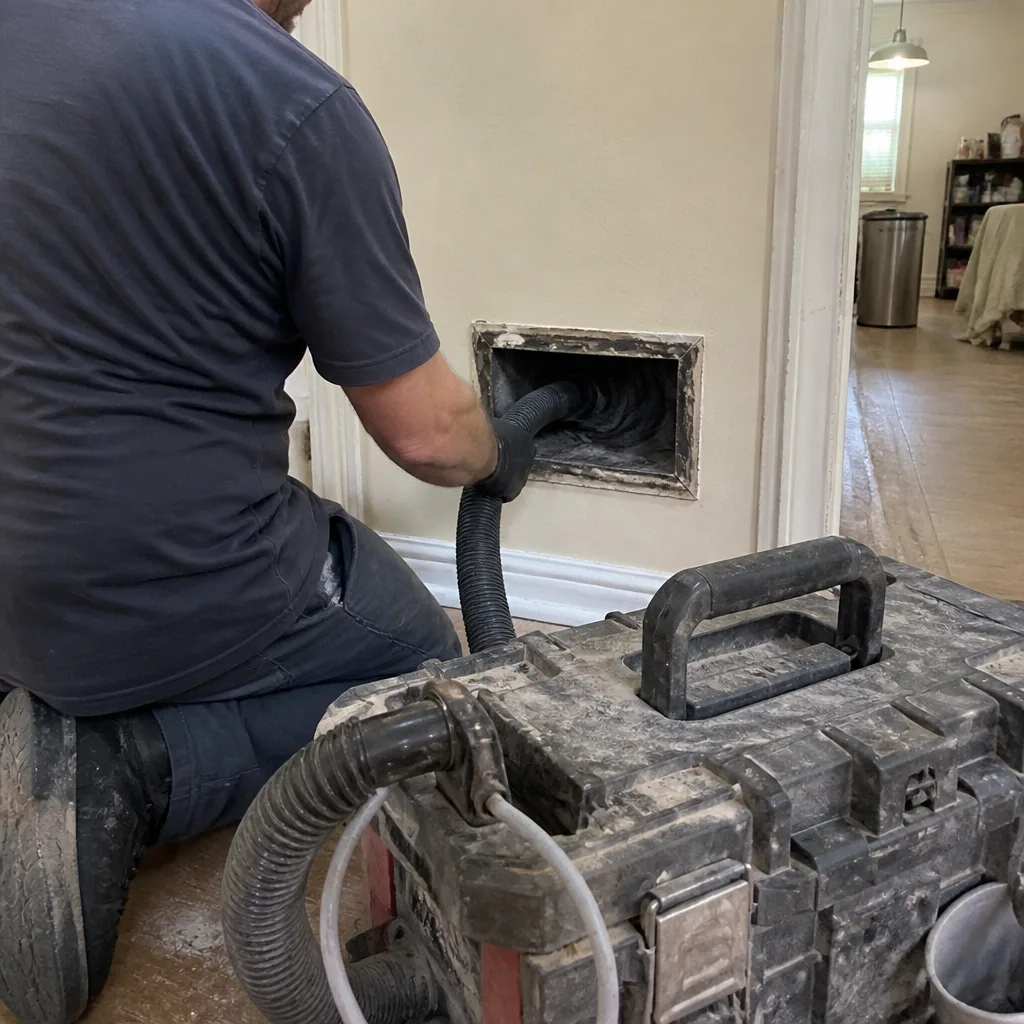 Before
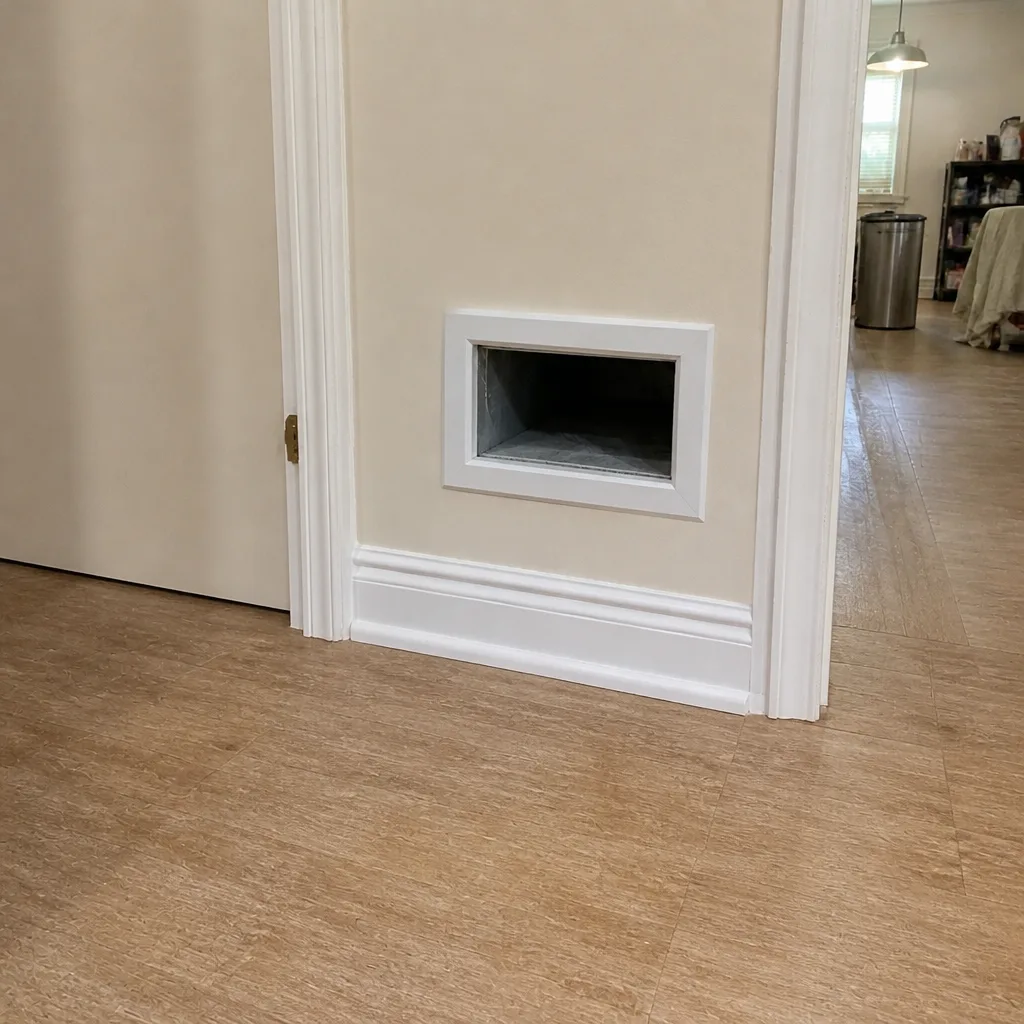 After
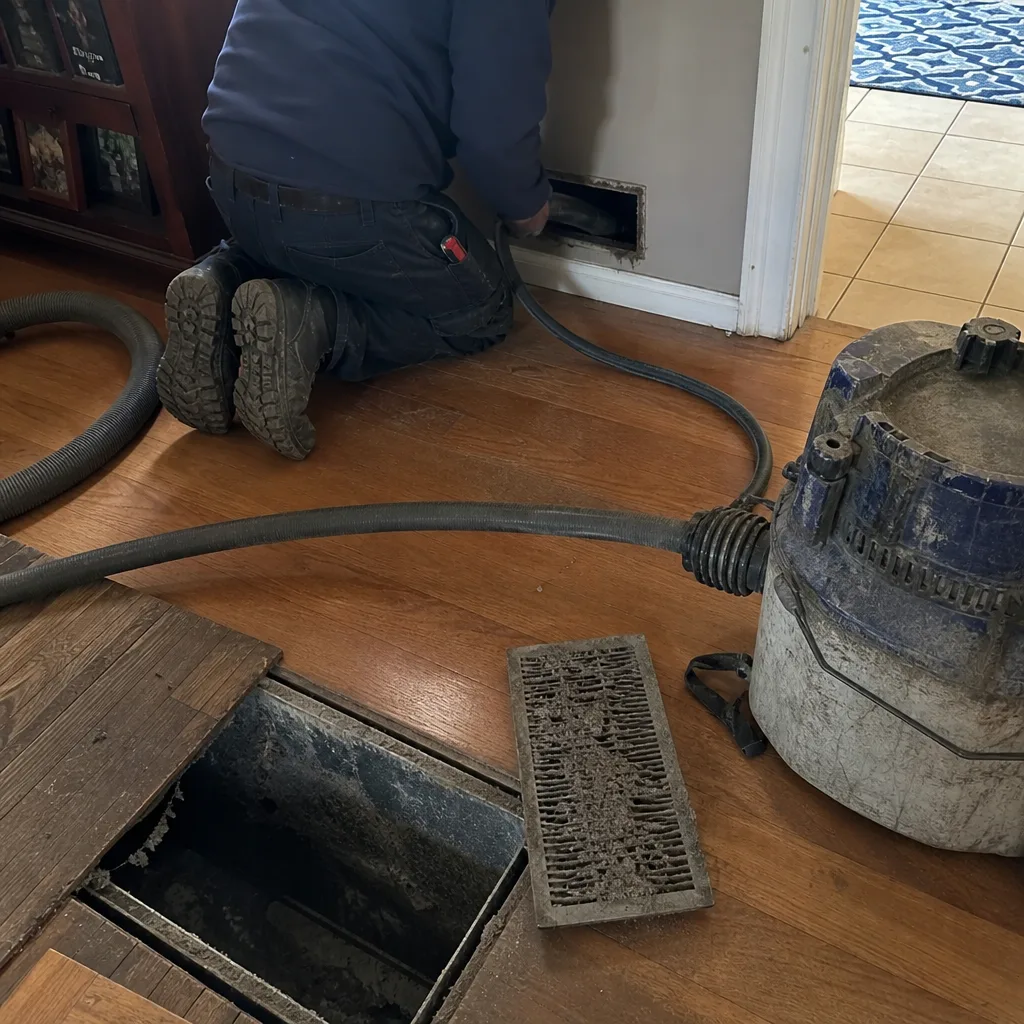 Before
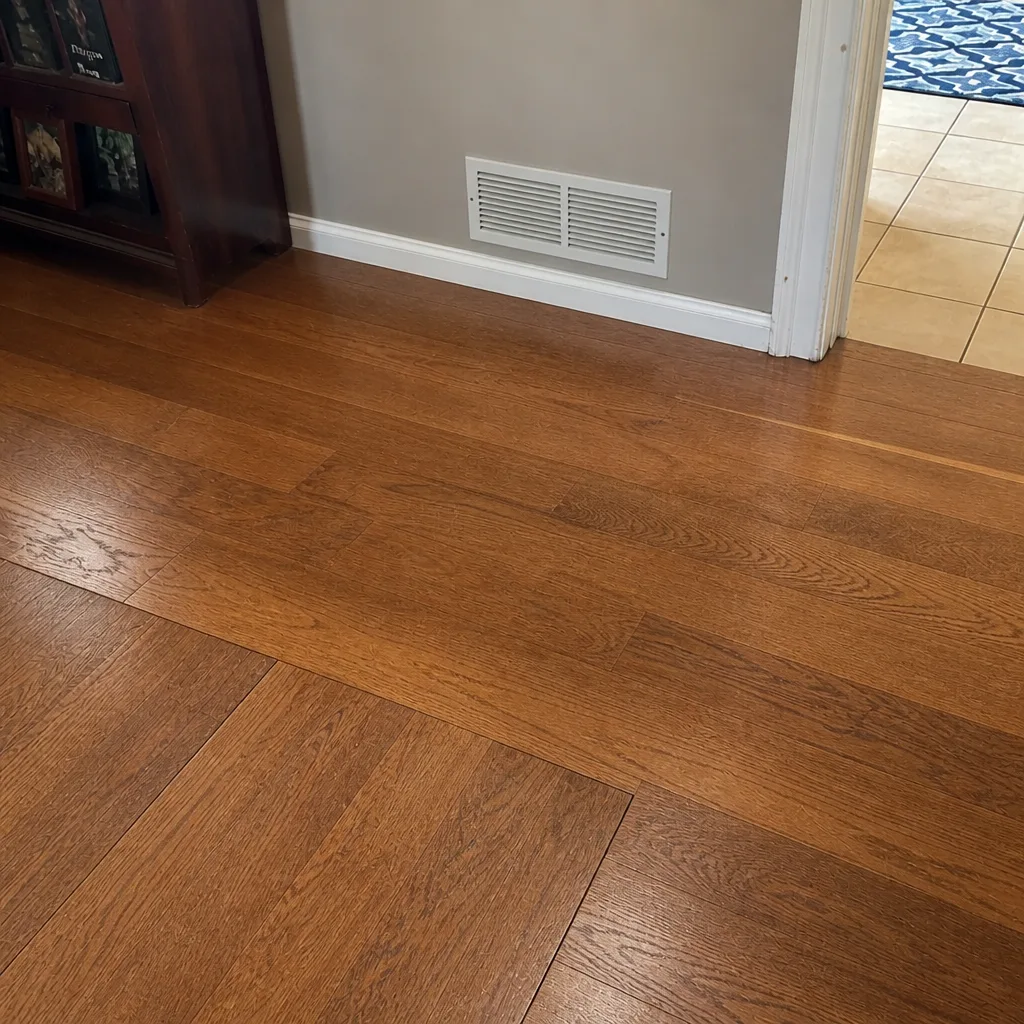 After
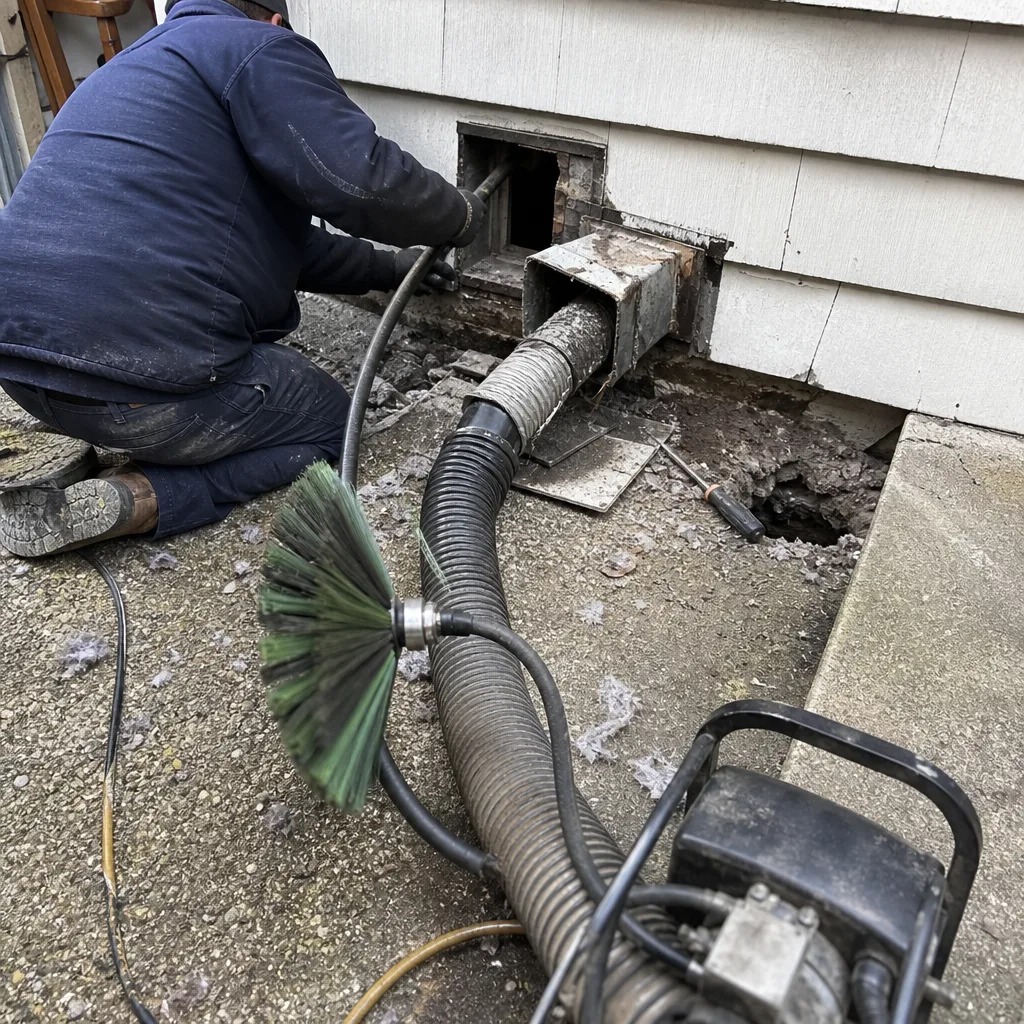 Before
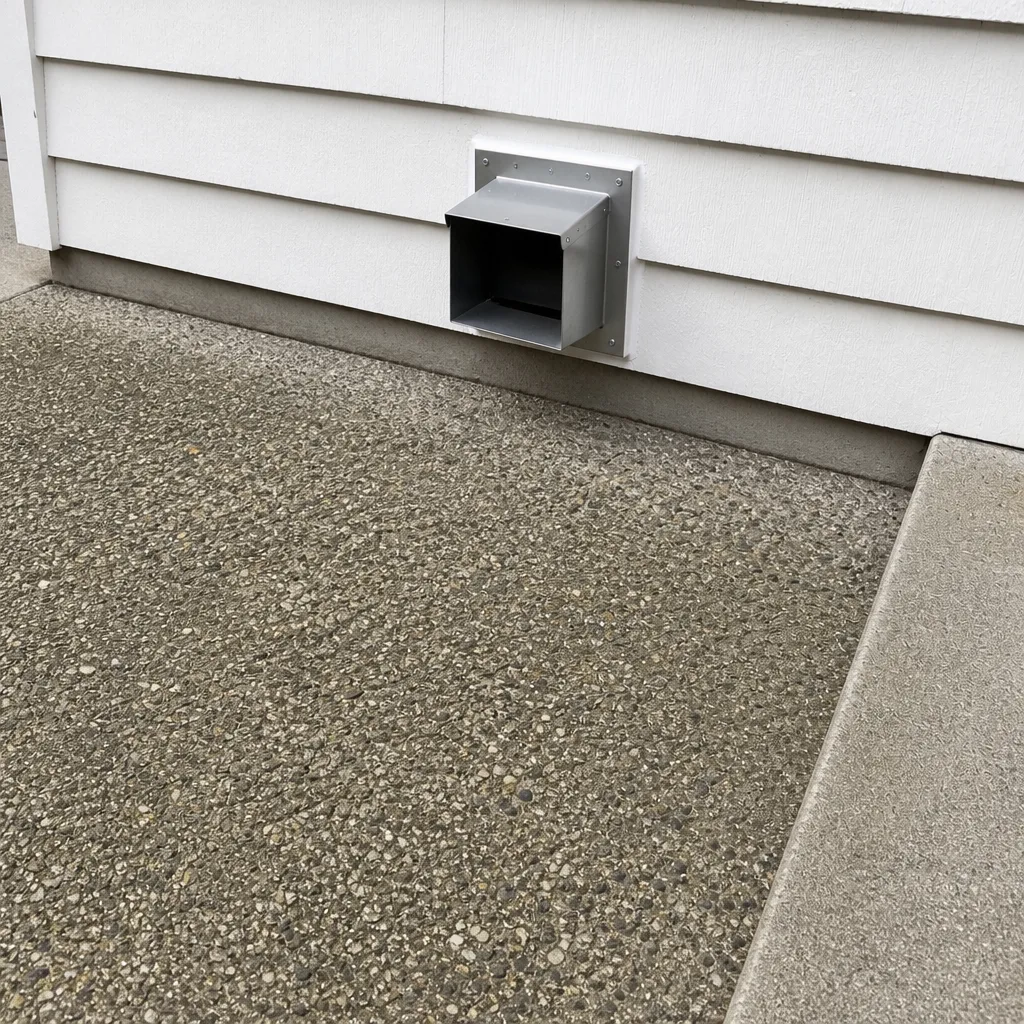 After
When to Call a Professional
Some duct problems are worth a flashlight inspection and a wait-and-see. Others call for a professional diagnosis right away. Call us if any of the following is true: you’ve had the ducts cleaned within the past year and dust is already back at the same registers; a room is noticeably drier, dustier, or colder than the rest of the home; you notice a burnt or chemical smell when the blower runs; mold or dark spotting is visible on duct liner inside a register; the system has recently been renovated around and you suspect construction dust is inside the ductwork; or you manage a multi-unit property and one tenant’s complaint is repeated by another. Elmhurst Air Duct Cleaning offers free estimates in Elmhurst. Call (855) 410-4866. We answer 24/7. Fast dispatch from 7am to 7pm, Sunday through Friday. A call outside dispatch hours is booked into the next opening.
Frequently Asked Questions
Dust returning after a cleaning almost always means a leak or a disconnected joint is pulling new dust into the system from the attic, crawlspace, or basement the ducts run through. Cleaning removes what’s already inside the ducts, but it doesn’t close gaps, so the dust source stays active. An inspection of the accessible duct runs is the next step. Call (855) 410-4866 for a free estimate.
Sometimes, but not usually. Weak airflow is most often caused by a collapsed flex duct, kinked run, closed damper, or disconnected joint, and cleaning doesn’t repair any of those. If airflow is the concern, ask for a diagnostic inspection before booking a cleaning. Call (855) 410-4866 for a free estimate.
A musty smell points to microbial growth on duct liner or insulation, usually in a run passing through a humid or unconditioned space. Cleaning alone doesn’t resolve it if the moisture source stays open. Sanitizing plus sealing the offending section is the durable fix. Call (855) 410-4866 for a free estimate.
Most homes need duct cleaning every three to five years, with more frequent cleaning after major renovations or if someone in the home has respiratory sensitivity. Homes with pets or heavy dust loads may benefit from a shorter interval. If the ducts were cleaned recently and the dust is returning, that’s a leak symptom, not a cleaning-timing question. Call (855) 410-4866 for a free estimate.
Cheap quotes often skip the air handler, exclude sealing and sanitizing, or price per vent without inspecting the system. That leaves the biggest dust reservoirs untouched, and the cleaning re-dirties within weeks. A whole-system estimate that names what’s included is the more useful comparison. Call (855) 410-4866 for a free estimate.
Ask for before-and-after photos of your own ducts and a written scope of what was cleaned, sealed, and treated. A qualified contractor will walk you through what was found during the inspection and what was addressed. Call (855) 410-4866 for a free estimate.
The Bottom Line
Duct problems are diagnosable. Dust that returns within weeks points to a leak, not a dirty duct. Weak airflow points to a collapsed or disconnected run, not incomplete cleaning. A musty smell points to moisture, and sanitizing without sealing only postpones the return. A burnt smell points to the air handler and warrants the system being turned off. Once you know which category you’re in, the right fix is obvious: a professional cleaning with Rotobrush or Nikro equipment, a Duct Repair & Sealing job, an HVAC cleaning that covers the air handler, or some combination. Call Elmhurst Air Duct Cleaning for a free estimate and an inspection that walks the whole system before recommending any work.
Call (855) 410-4866. We answer 24/7. Fast dispatch from 7am to 7pm, Sunday through Friday. A call outside dispatch hours is booked into the next opening.
Written by the team at Elmhurst Air Duct Cleaning.