
Last updated November 22, 2026
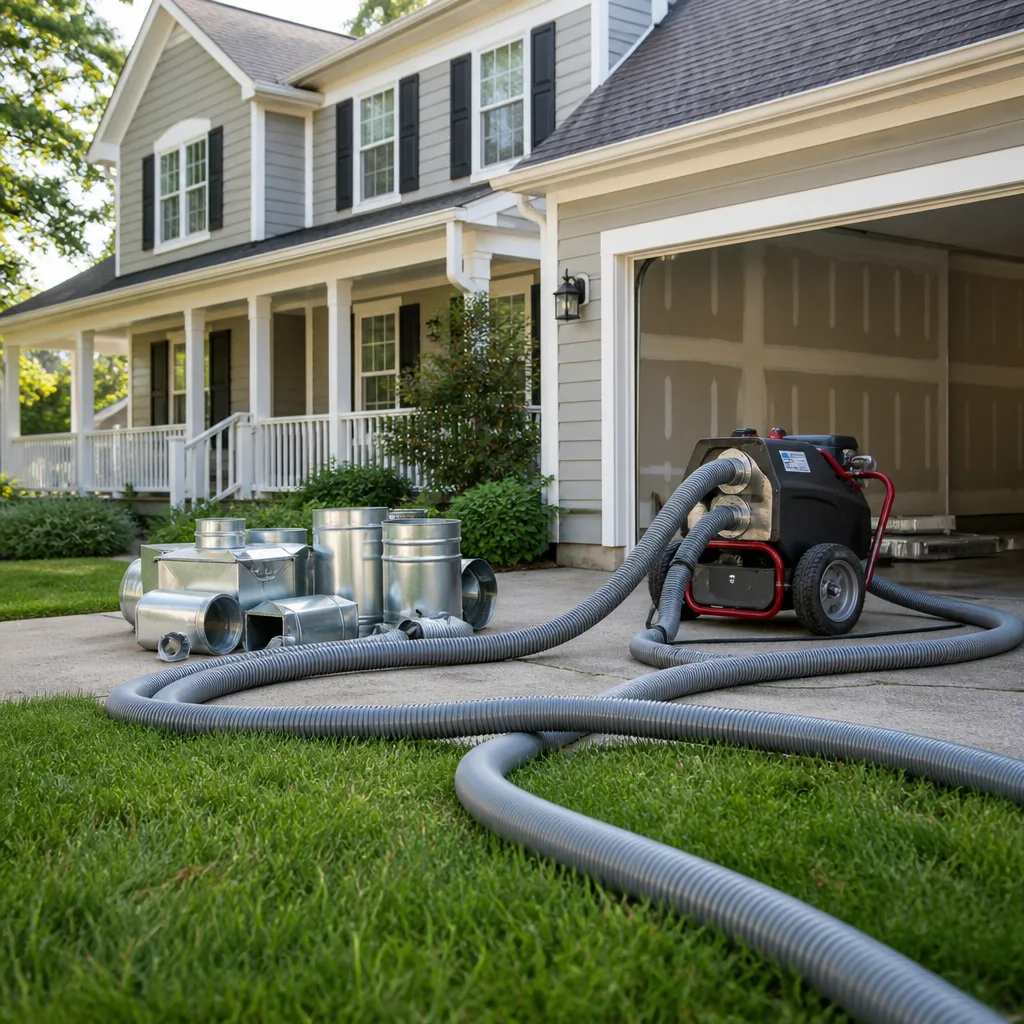 Whole-home duct cleaning
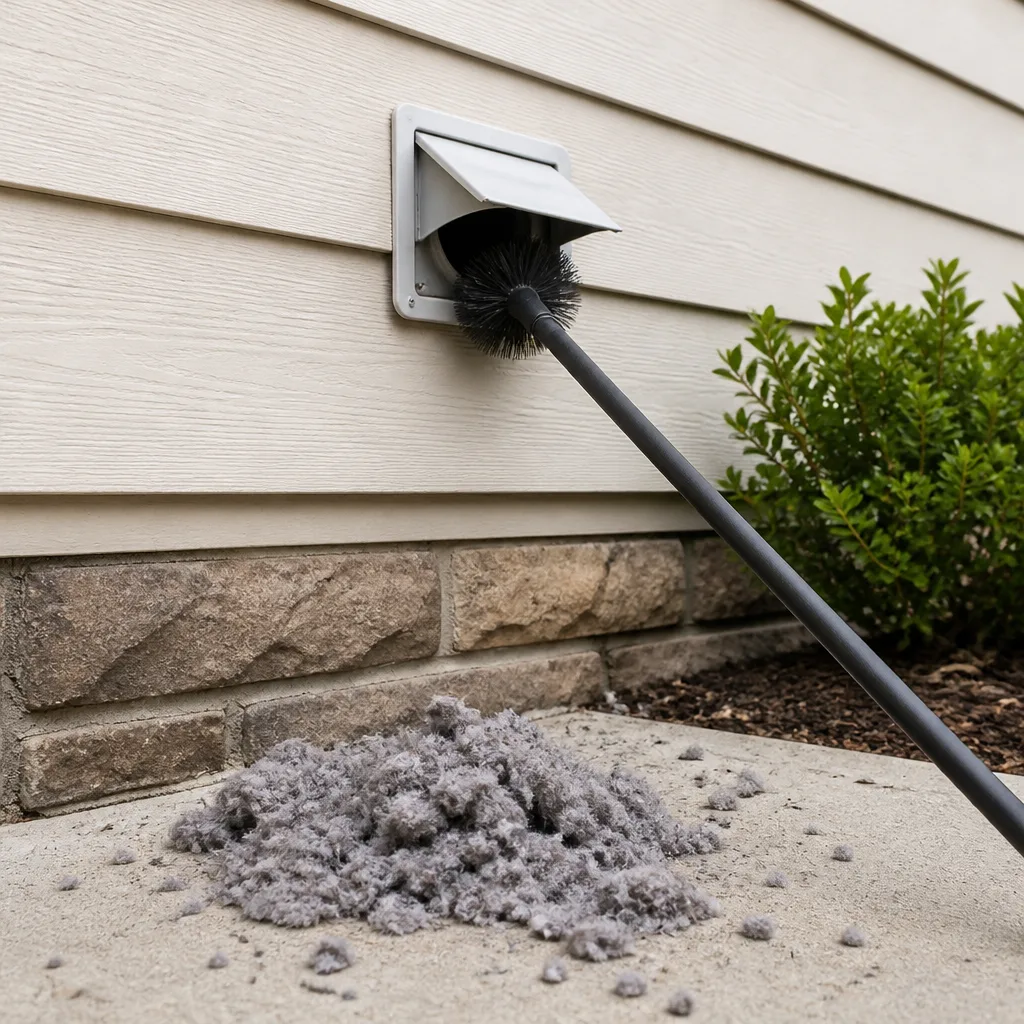 Dryer vent cleaning
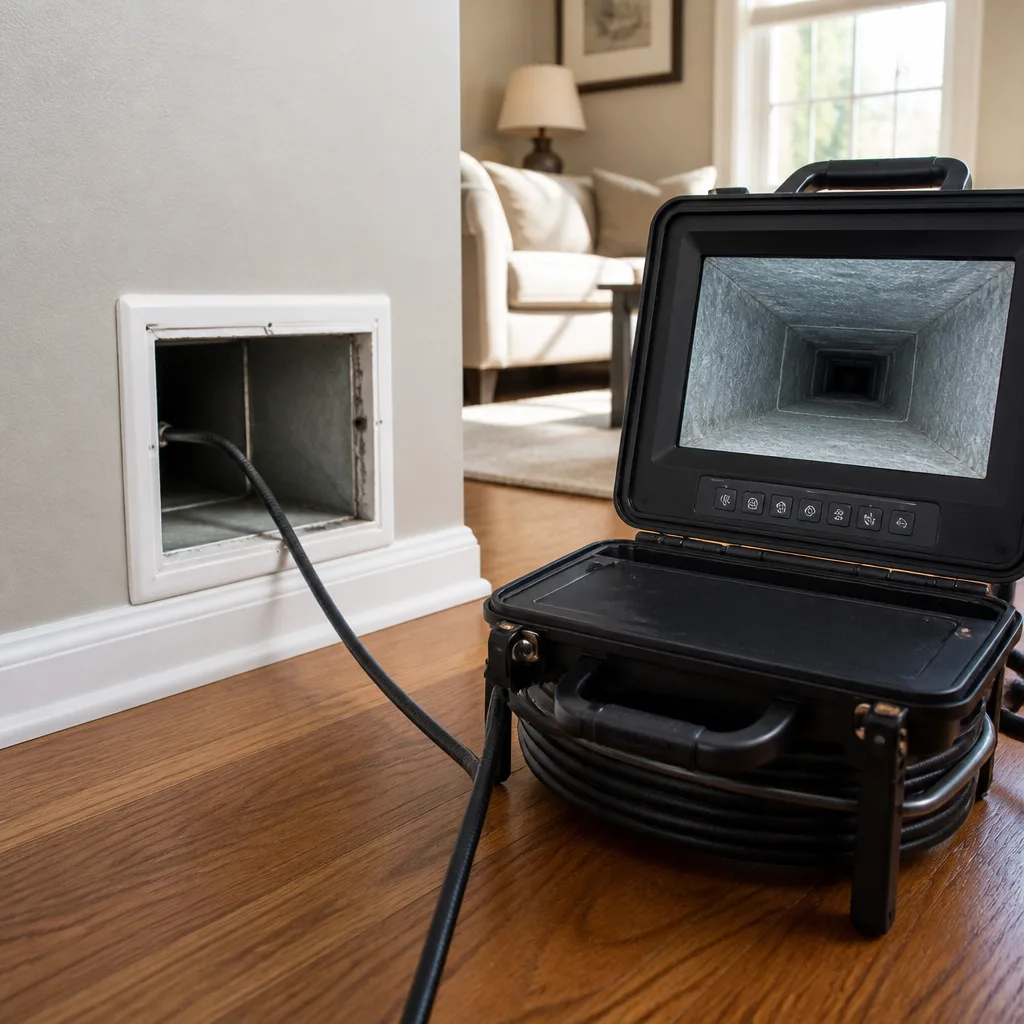 Camera inspection
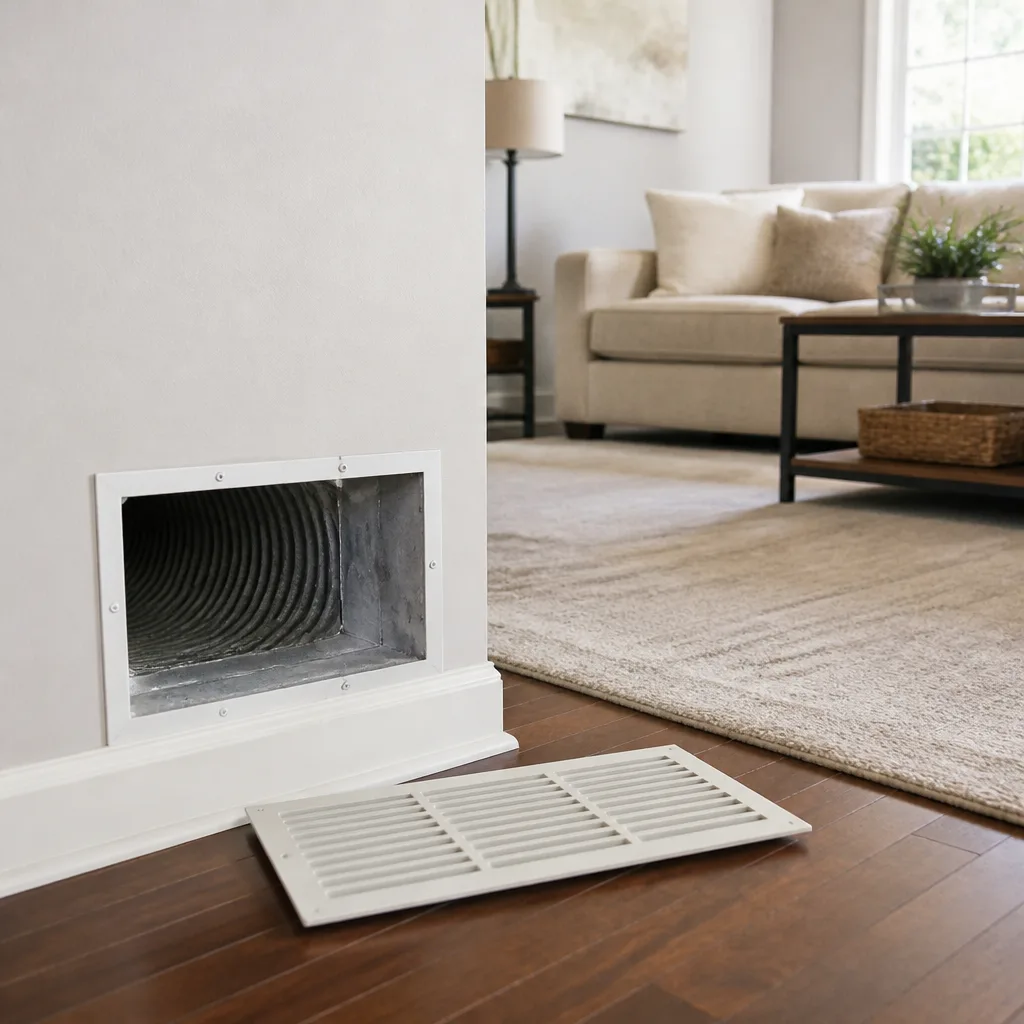 Sanitizing & deodorizing
Whole-system duct and dryer vent check with before-and-after photos - you see exactly what came out of your vents
That "$99 whole-house special" is a bait ad - the real number appears once they are in your hallway, or the "clean" is a shop-vac at the register. We photograph the inside of your ducts before and after instead.
The Complete Guide to Air Duct Cleaning in Elmhurst
Most duct cleaning guides treat the duct as an isolated pipe. That is the first thing to unlearn. Your ducts are one component in a pressurized system, and in Elmhurst it is a system with very little room to breathe. A duct can pass a visual inspection and still move contaminated air into the rooms you sleep in, because the problem isn’t always visible debris. Sometimes it’s what has settled into the liner, sometimes it’s what is leaking through a seal you cannot see from the register. This guide explains how ducts actually behave in Elmhurst, why duct material decides which cleaning method is safe, what a real standard of care looks like, and when cleaning alone is the wrong answer.
Quick Answer
Air duct cleaning in Elmhurst means removing the accumulated debris, dust, and microbial growth from inside the duct system rather than just knocking it loose in the airstream, which is source removal. It is done differently here than in a single-family suburb because many Elmhurst homes are attached row houses or converted multi-family buildings, where ducts, shared walls, and pressure boundaries interact. The right method depends on the duct material and on whether the ducts are sealed, and a proper job includes assessment, cleaning to a recognized standard, and repair or sealing where the system leaks.
Styles & brands we work with
- Whole-home duct cleaning
- Dryer vent cleaning
- Camera inspection
- Sanitizing & deodorizing
Table of Contents
- How Elmhurst Homes Change What “Clean” Actually Means
- Cross-Contamination Between Units: The Risk Single-Family Guides Miss
- Source Removal vs. Surface Agitation: What Budget Crews Actually Do
- Duct Material Determines the Method: Flex, Sheet Metal, and Fiberboard
- What the NADCA ACR Standard Requires, and How to Verify It
- When Cleaning Isn’t Enough: Sealing or Replacement
- What a Full-System Cleaning Actually Involves, Step by Step
- How to Choose a Duct Cleaning Contractor in Elmhurst
How Elmhurst Homes Change What “Clean” Actually Means
Elmhurst’s housing stock is dense and varied. A single block can hold a narrow attached row house, a two-family conversion, and a small apartment building. That matters because duct “cleanliness” is not only about how much dust sits in a run. It’s about whether the ducts are doing their job as part of a balanced pressure system. In a wide-open single-family house, a small leak in a return duct is a minor energy penalty. In a building where units share walls, that same leak can pull air from cavity spaces or from a neighboring unit’s return and push it into your living room.
Older HVAC configurations in Elmhurst also tend to be improvised in ways that show up only during a cleaning. Returns get added after the fact. Ducts run through tight chases between units. Some runs are original sheet metal, some are later retrofit flex, and some are patched transitions that never got sealed. A cleaning that treats every run as a straight, uniform pipe will miss the parts of a system that actually collect debris: the turns, the plenum, the blower cabinet, the boot at each register.
Climate plays a smaller role here than construction does. Elmhurst’s humid summers and cold winters mean condensation can form on colder duct surfaces, and where moisture lingers, biological growth follows. But the deeper driver is tight, contiguous housing where air has more places to leak to and from. That is why Elmhurst Air Duct Cleaning treats the ducts, the HVAC unit, and the seals as one connected system rather than a single pipe to scrub.
Cross-Contamination Between Units: The Risk Single-Family Guides Miss
Cross-contamination is the transfer of air, dust, or microbial growth from one unit or space into another through shared ductwork, shared pressure zones, or unsealed penetrations in a common wall. In Elmhurst’s attached row houses and converted multi-family buildings, this is the risk that most national duct cleaning content never addresses, because most of it is written for detached suburban homes.
Here is what actually happens. When a unit’s return pulls a slight negative pressure against an adjacent unit, and there’s any unsealed penetration in the partition or a shared chase, air gets pulled from wherever it can. That air may be filtered and clean. It may also carry dust from a cavity, cooking odors from a neighbor, or moisture from a basement. The result is a unit with clean-looking registers, no visible dust, and a recurring musty smell that nothing seems to fix.
For attached homes in Elmhurst, a thorough assessment should include:
- Checking whether returns in different units share cavity space or only a wall.
- Looking for unsealed penetrations around ducts passing through common walls.
- Pressure-testing the system enough to notice unbalanced returns.
- Identifying whether an odor is coming from your system or from a neighbor’s.
When cross-contamination is a possibility, cleaning is only half the job. Sealing the penetrations and balancing the returns is what stops the problem from returning. That’s why we include repair and sealing in the assessment rather than treating it as an upsell after the cleaning. Property managers with attached buildings in Elmhurst get the most value from a documented system map: which runs serve which rooms, where the pressure boundaries are, and which seals need attention. It gives them something to compare against on the next service, and it makes accountability between units concrete instead of abstract.
Source Removal vs. Surface Agitation: What Budget Crews Actually Do
Source removal means physically extracting the accumulated contaminants from the duct interior and getting them out of the system, using negative pressure containment and mechanical agitation, until the surface is genuinely clean. Surface agitation is what happens when a crew runs a whirling brush through a duct or blasts compressed air at it and pulls loose debris with a shop-vac-grade machine. Those are two very different jobs, and the price difference between them is often the whole story behind a “cheap” quote.
Surface agitation has a specific failure mode. The debris that settles into the pores of a duct liner, or clings to the oil film on sheet metal near the kitchen return, doesn’t lift easily. A brush knocks the loose top layer off and leaves the rest in place. Worse, it can launch the loosened dust downstream so it lands in the living space or settles deeper in a run. The homeowner sees dust blowing from a register for a week, assumes the ducts are still dirty, and calls somebody else.
Source removal requires three things that budget crews often lack:
- A high-volume negative pressure machine (a Rotobrush or Nikro-class system) connected to the plenum so the whole system is under suction while work happens.
- Aggressive mechanical agitation, sized to the duct, driven from the inside, with a flexible whip or brush that reaches the walls and the turns.
- Time. A full-system source removal takes hours, not minutes, because the plenum, blower cabinet, and boots all need to be accessed and cleaned separately.
This is the single biggest reason a coupon-crew visit and a real cleaning look different to the homeowner. One leaves the ducts looking cleaner at the register. The other changes what the system puts into the room. If you’re evaluating estimates, ask which machine the crew brings and whether the plenum and blower cabinet are included. If the answer is vague, that is your answer.
Duct Material Determines the Method: Flex, Sheet Metal, and Fiberboard
The biggest single determinant of which cleaning method is safe is what the ducts are made of. Using the wrong method on the wrong material can turn a duct that was merely dirty into one that is breached, shedding fibers, or permanently compromised. Elmhurst homes contain all three common types, sometimes in the same house.
Sheet metal is the most forgiving surface. Galvanized steel takes mechanical brushing, compressed air, and contact cleaning well. It’s also easy to inspect with a camera, which makes it straightforward to verify the work. Most original ductwork in Elmhurst’s older homes is sheet metal, at least in the trunk lines.
Flexible duct (the silver, corrugated-looking runs) is common in retrofit work and in additions. It’s fragile. The wire helix inside can be crushed or separated by the wrong brush, and once that happens the duct loses shape and starts leaking air at every sag. Cleaning flex requires low-pressure or rotary tools designed for it, and any run that shows sagging, tears, or collapse should be replaced instead of cleaned. This is one of the reasons flex runs are so often the source of poor airflow in an Elmhurst system: not because they’re dirty inside, but because they’re damaged.
Fiberboard duct (rigid fibrous panels, often used for return chases) is the most sensitive surface. Abrasive brushing can damage the sealed inner surface and leave exposed fibers. It needs gentler cleaning, and any run where the inner facing is already compromised should be repaired or replaced rather than scrubbed.
A contractor who cannot tell you which material each run is made of, before proposing a price, is not planning to clean it properly. Material identification should happen in the assessment, not in the middle of the job.
What the NADCA ACR Standard Requires, and How to Verify It
The NADCA ACR standard (Assessment, Cleaning, and Restoration) is the recognized industry standard for HVAC system cleaning, published by the National Air Duct Cleaners Association. It defines what a proper cleaning includes, how the system should be placed under negative pressure during the work, how components should be accessed, and how the cleaning should be verified. Verifying that a contractor actually followed it is what separates a professional cleaning from a vacuum with a hose attached.
In practice, ACR compliance comes down to a handful of checkable practices:
- Source removal under negative pressure. The whole system is under vacuum before any agitation begins. If the crew starts brushing before hooking up the vacuum, that’s a warning sign.
- Component access. The plenum, blower cabinet, coils, and boots are opened and cleaned, not skipped.
- Material-appropriate tools. Brushes and whips are matched to the duct type, as covered above.
- Post-cleaning verification. Access holes are sealed, and the contractor can show you what the run looked like before and after.
- Documentation. Photos, notes on which runs were cleaned, and any material defects found.
Ask the contractor directly whether they work to the ACR standard. If they do, ask how they verify the cleaning. The most useful answer is photos of your own ducts, taken by the technician and shared with you at the end. A real specialist is comfortable with that request. If the crew packs up before you’ve seen the work, they didn’t do ACR-standard source removal.
When Cleaning Isn’t Enough: Sealing or Replacement
Cleaning removes what’s in the ducts. It does not fix why the system was getting dirty in the first place. Leaking seals, sagging flex runs, damaged boots, and unsealed penetrations pull dust into the system, dump conditioned air into cavities, and create the very cross-contamination problems that make a cleaning feel ineffective a few months later. In those cases, cleaning alone is not the technically correct answer; duct repair and sealing is.
A sealing recommendation is appropriate when:
- A run has visible sagging, tears, or separation at a joint.
- Duct pressure testing shows significant leakage into cavities or between units.
- Odors recur after cleaning, indicating an ongoing path for air to move in from outside the system.
- You’re seeing dust return to registers within weeks of a cleaning.
- A boot or transition is disconnected from the register or plenum.
Replacement makes more sense than sealing when the duct is structurally compromised. A crushed flex run can’t be sealed back into shape. A fiberboard chase with a damaged inner facing can’t be cleaned into a sealed surface. In those cases, replacing the run is the honest answer, and doing it during the same visit as the cleaning is easier and more efficient than bringing a second contractor back later. This is why we include HVAC cleaning in the same visit: the blower, coils, and cabinet are part of the system, and a clean duct connected to a dirty blower cabinet is a job half done.
What a Full-System Cleaning Actually Involves, Step by Step
A proper full-system cleaning in Elmhurst is a structured process, not a single pass with a vacuum. The steps are consistent from one job to the next, even when the houses are not.
- Assessment. We map the runs, identify duct material, look for leaks and disconnected boots, and check whether any adjoining units share a pressure boundary. Odors and allergy complaints get traced to a source, not just noted.
- Protection. Registers, floors, and furnishing near the work area are protected, and negative pressure is established so the whole system is under suction before agitation begins.
- Source removal. Each run is cleaned with equipment matched to its material. The plenum, blower cabinet, and boots are opened and cleaned. Contaminants leave the system under containment.
- Repair what’s found. Damaged flex runs, loose joints, and unsealed penetrations are addressed as part of the job, not deferred to a separate visit.
- Sanitizing where appropriate. Odor, mold, or allergy concerns call for a sanitizing step using solutions matched to the system, not a one-size-fits-all spray.
- Verification and documentation. Photos of before and after, notes on what was cleaned and repaired, and a walk-through with you before we leave.
For homes with a serious odor issue, we also look at the source of the air, not just the ducts. In buildings where multiple units interact, that can mean adding filtration at the return or installing air quality equipment matched to the system, like a Honeywell or Aprilaire filtration component. Those brands are chosen because they’re engineered for professional installation and predictable performance, not because we’re attached to a particular logo. When filtration is part of the recommendation, it’s because the ducts are clean and the system is still bringing in something a filter can screen out.
How to Choose a Duct Cleaning Contractor in Elmhurst
The cost question is where most homeowners get stuck, because published prices for duct cleaning vary so widely that comparison feels meaningless. The honest answer is that price depends on the size and condition of the system, the number and type of runs, whether duct material is easy or fragile, and whether repair or sanitizing is needed. That is a per-job assessment, not a number on a coupon. Any contractor who quotes you a flat number before seeing the system is guessing, and the guess will move once they’re standing in your basement.
What to look at instead:
- Does the contractor assess the system, in person, before quoting? That includes material identification and a look at the plenum, not just the registers.
- Do they use professional-grade equipment (Rotobrush, Nikro, or comparable systems), or consumer-grade vacuums dressed up as industrial?
- Do they include repair and sealing, or only cleaning? A contractor who only cleans will leave every leak and damaged run in place.
- Do they document the work with photos of your system?
- Do they explain the difference between source removal and surface agitation without being asked?
- Do they carry proper insurance and licensing for the work in New York?
None of these questions require technical expertise to ask. Each of them filters out the crews that call themselves duct cleaners but are really running a coupon business. A specialist who works to a recognized standard will answer all of them without hesitation, because they’re the questions they’d ask if a contractor were coming to their own home.
Common Mistakes to Avoid
- Booking on price alone. A cheap quote usually reflects surface agitation with consumer-grade equipment, not source removal. The job is not the same job at half the price; it’s a different service. Ask what machine they’re bringing and whether the plenum is included.
- Skipping the assessment. If a contractor quotes without seeing the system or identifying duct material, the price will change once they’re on site. In an attached Elmhurst home, an assessment also has to look at how units interact, and that can’t happen over the phone.
- Cleaning without repairing. Clean ducts connected to leaking seals will be dirty again in a few months. If the contractor doesn’t offer repair and sealing, ask why – and if the answer is that cleaning is enough, look elsewhere.
- Treating sanitizing as a universal add-on. Sanitizing is the right call for microbial issues, odor, or allergy concerns. It is not necessary after every cleaning, and a crew that pushes it on every job without explaining why is selling, not diagnosing.
- Ignoring the dryer vent. In attached and multi-unit Elmhurst buildings, a clogged dryer vent is both an efficiency issue and a fire risk. If your dryer is taking longer to dry than it used to, dryer vent cleaning should be on the list alongside the duct work.
- Overcleaning or undercleaning. Annual cleaning is not a universal rule. Frequency depends on the system, the home, and the presence of pets, recent renovation, or a smoking household. If a contractor insists on a schedule before looking at your system, they’re selling a subscription.
- Assuming all ducts are the same material. Flex, sheet metal, and fiberboard each need a different method. A crew that uses the same brush on every run risks damaging the most fragile ones.
See the difference
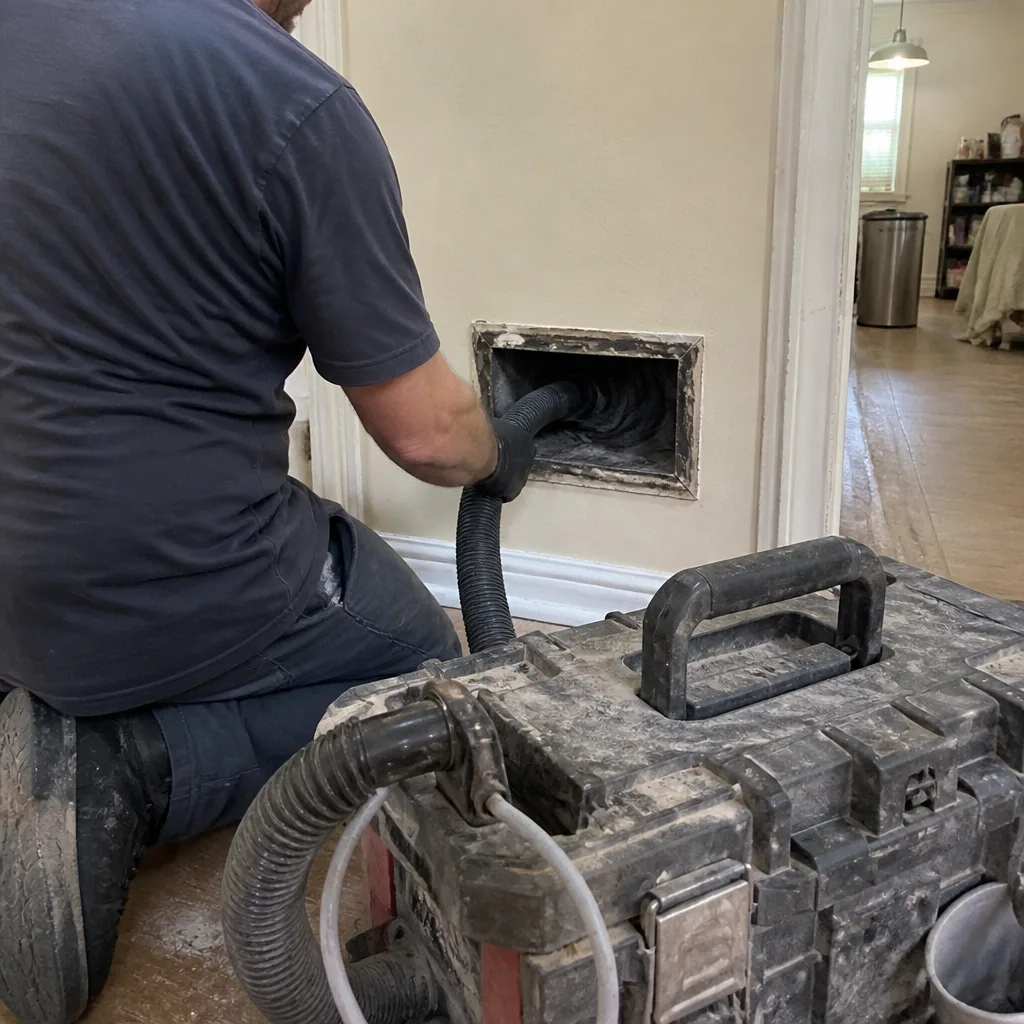 Before
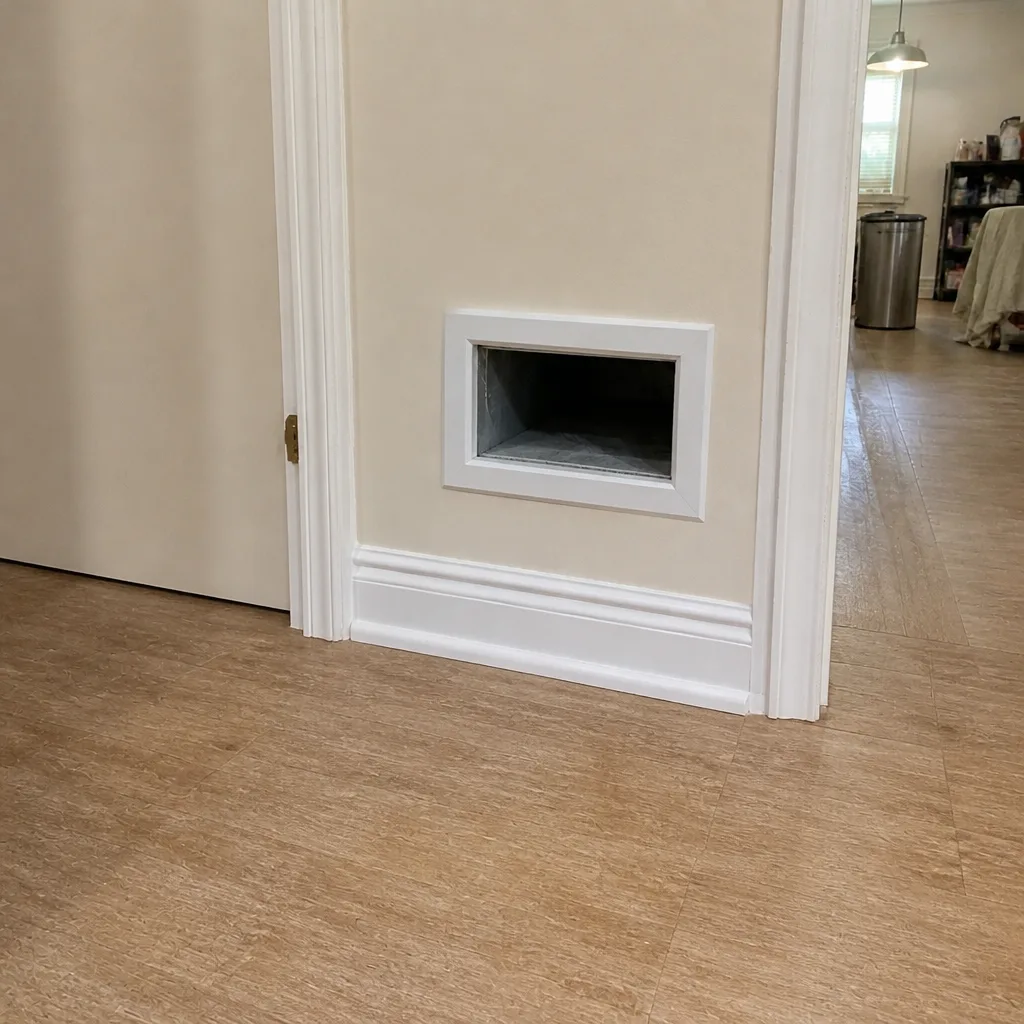 After
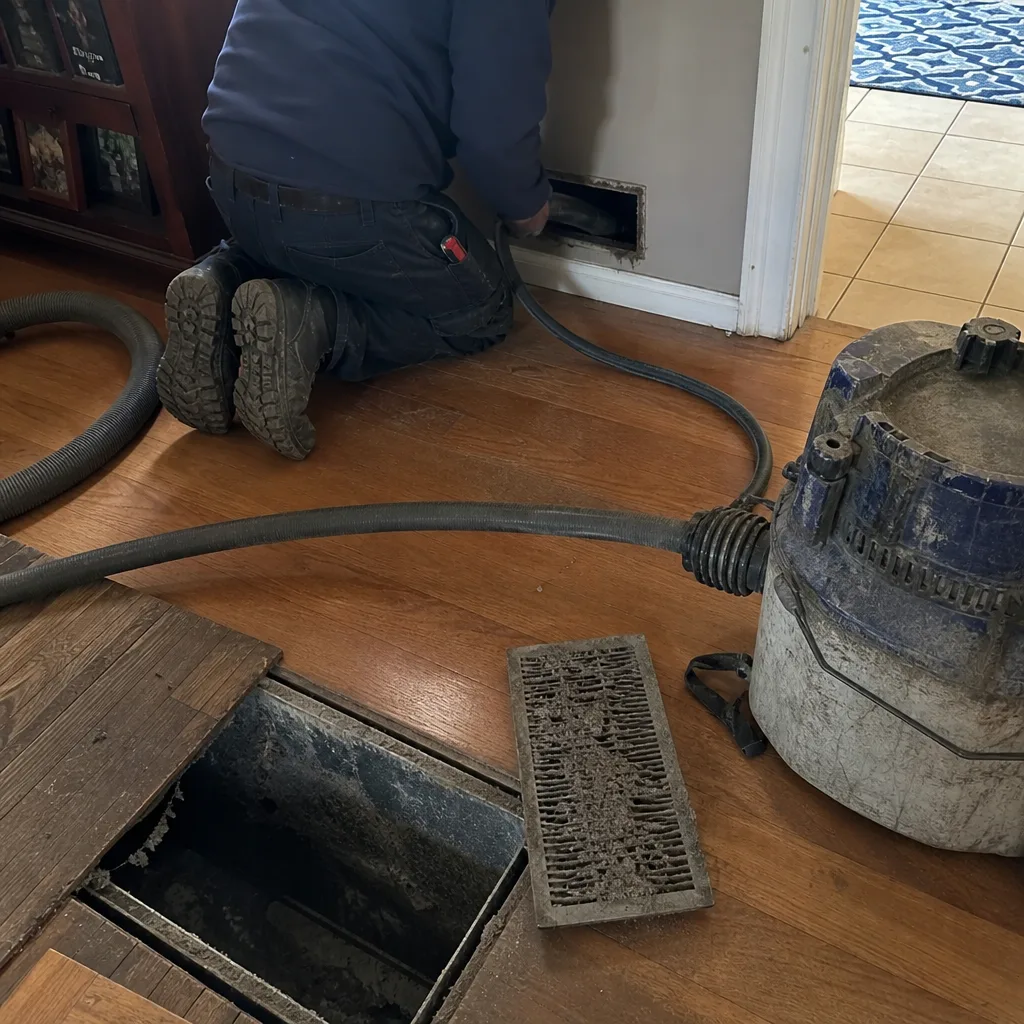 Before
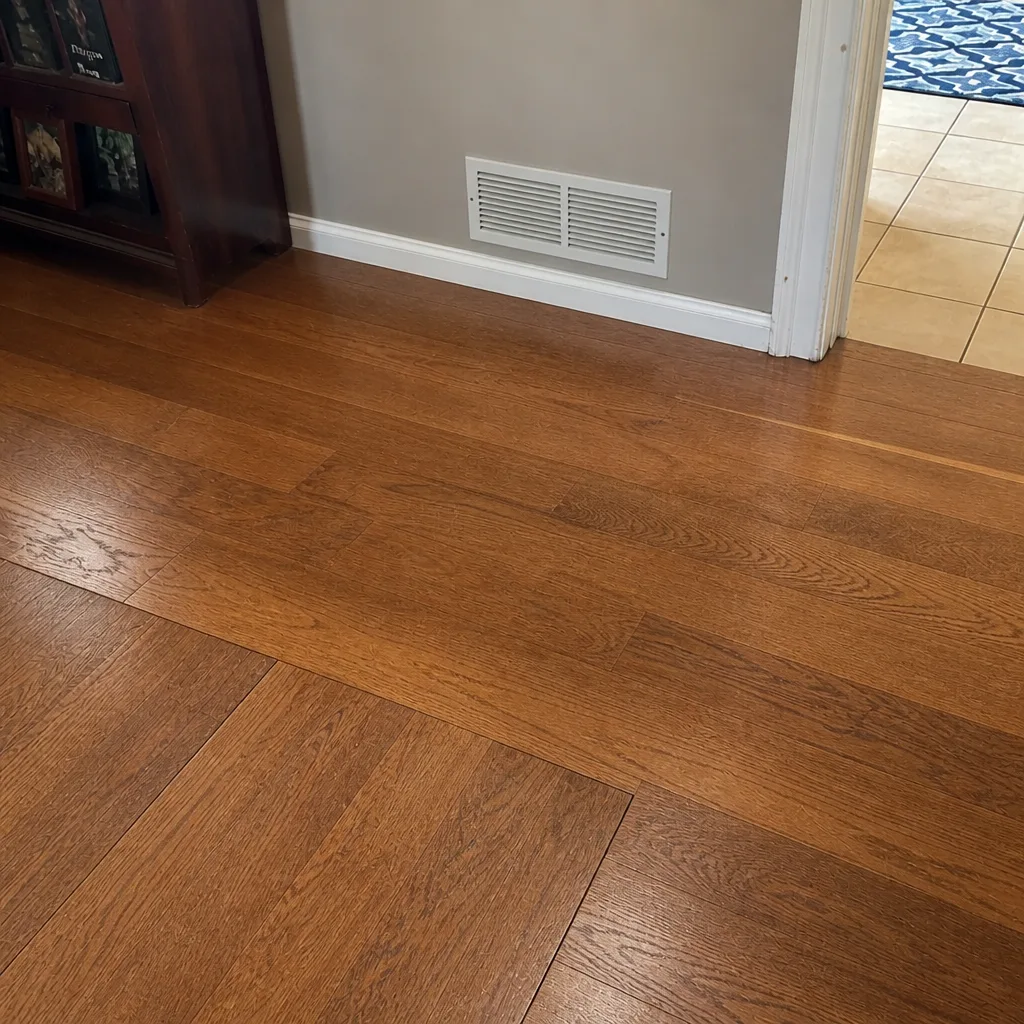 After
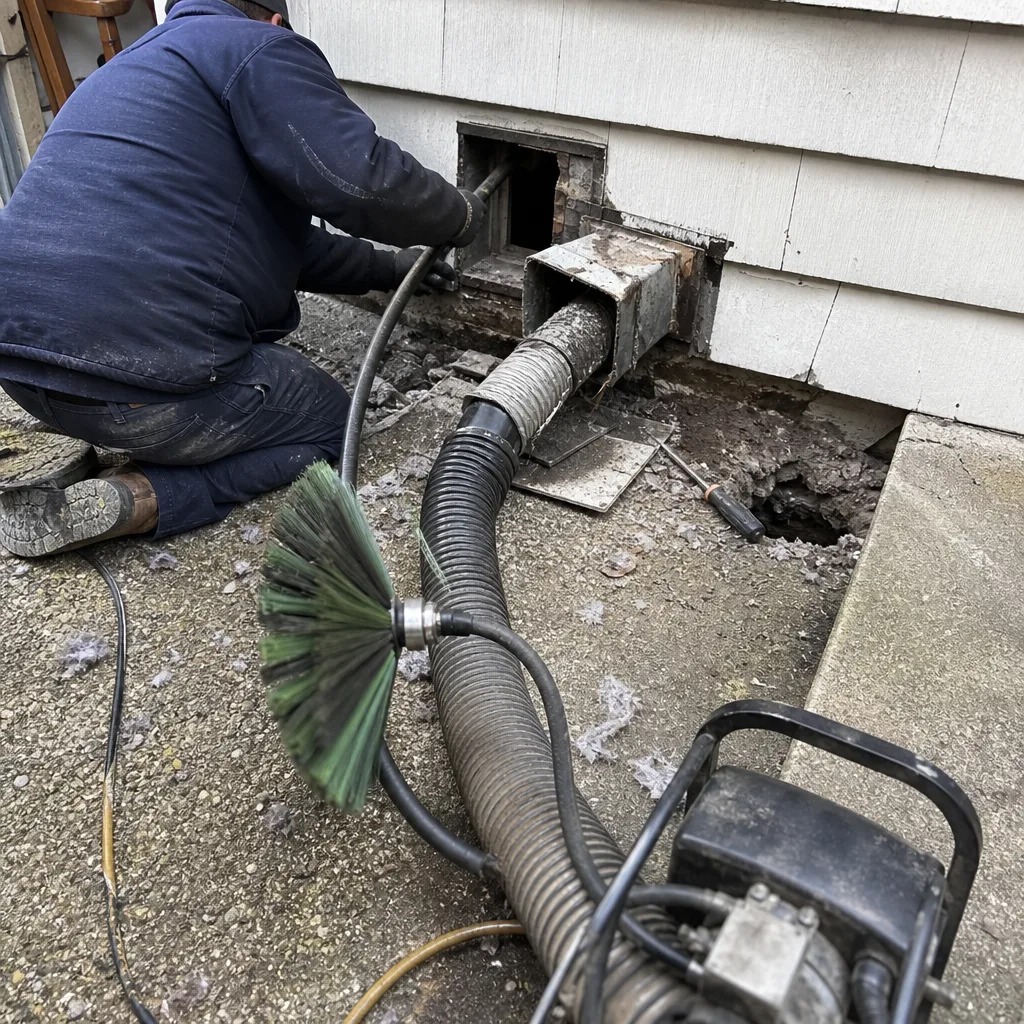 Before
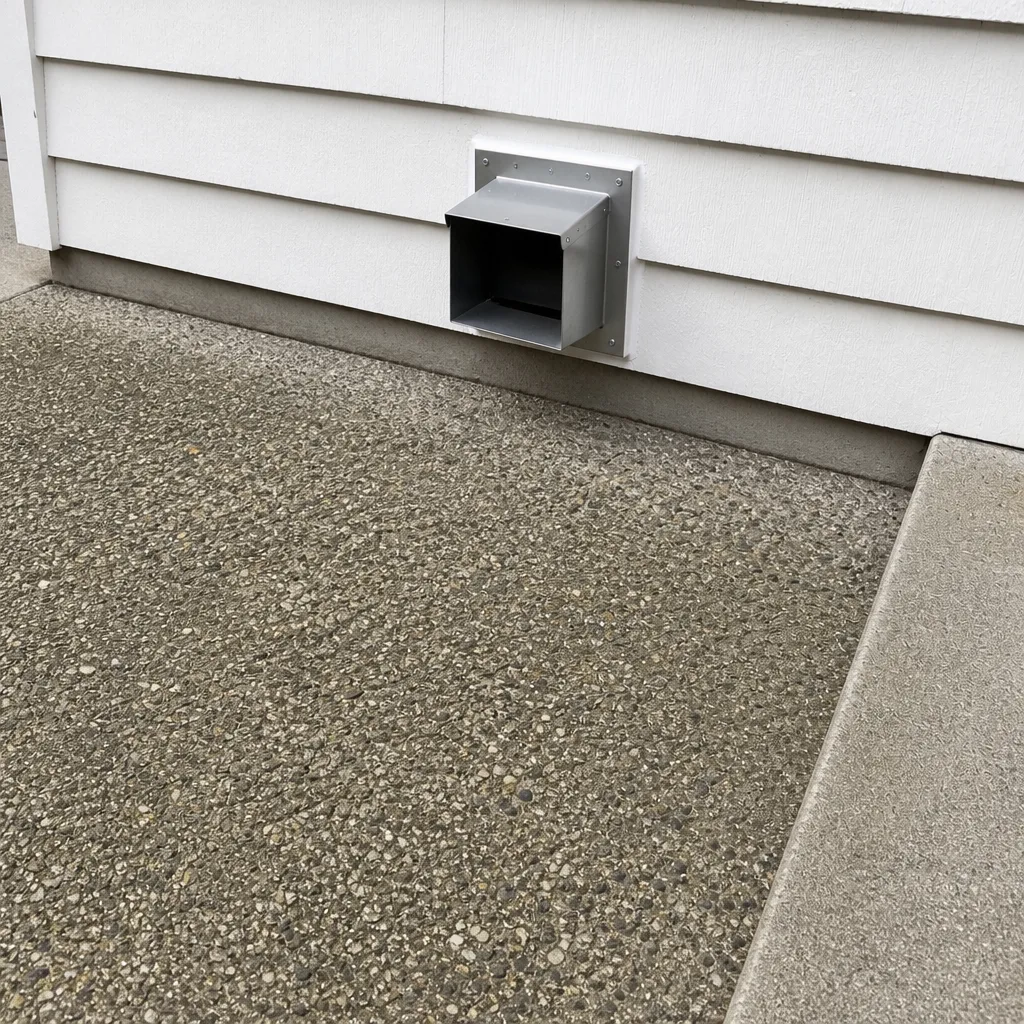 After
When to Call a Professional
Call a professional when you see dust returning to registers within a few weeks of cleaning, when a musty smell persists after a cleaning, or when airflow from some registers is noticeably weaker than others. For attached Elmhurst homes, add recurring odors that seem to track a neighbor’s activity, or dust appearing only in certain rooms along a shared wall. Dryers that take two cycles to dry a load point to the vent, and visible debris at a register with a system that has never been cleaned is a straightforward job. Duct cleaning is scheduled work, not an emergency, so book it when it needs doing rather than at the first sign of trouble.
Elmhurst Air Duct Cleaning offers free estimates in Elmhurst. We use Rotobrush and Nikro systems for source removal, we repair and seal what we find instead of leaving it, and we work with Honeywell, Aprilaire, Abatement Technologies, and Guardsman for air quality components when the system calls for them. Call (855) 410-4866. We answer 24/7. Fast dispatch from 7am to 7pm, Sunday through Friday.
Frequently Asked Questions
Duct cleaning in Elmhurst is priced per system, not per vent, and the price is set by a written estimate after we assess the runs, materials, and any repair work needed. Whole-system cleaning typically falls into a wide range that depends on the number of runs, whether flex or fiberboard is involved, and whether sealing or sanitizing is part of the job. Call (855) 410-4866 for an exact quote. Estimates are free.
Cheap quotes usually describe surface agitation rather than source removal. A crew with a brush and a consumer-grade vacuum can knock loose dust off the duct walls and call it clean, but they don’t put the system under real negative pressure, don’t clean the plenum or blower cabinet, and don’t repair the leaks that let dirt back in. Ask which machine the crew brings and whether the plenum is included. Call (855) 410-4866 for an exact quote. Estimates are free.
Ask for before-and-after photos of your own ducts, not stock images. A proper cleaning should include photos of the plenum, blower cabinet, and at least a sample of the runs, plus notes on any damage found. If the crew is uncomfortable with that request, that tells you something. Call (855) 410-4866 for an exact quote. Estimates are free.
There’s no universal schedule. Homes with pets, recent renovation, or visible dust at the registers often need cleaning sooner than homes without those factors. In attached Elmhurst buildings, recurring odors or dust can point to cross-contamination through unsealed penetrations rather than a service-frequency issue, and sealing matters more than repeated cleaning. Call (855) 410-4866 for an exact quote. Estimates are free.
Cleaning removes accumulated dust and biological growth from the ducts, which can reduce what your system circulates. For homes with known mold, recurring musty odors, or strong allergy complaints, a sanitizing step using a solution matched to the system is often the right addition. Sanitizing addresses microbial contamination, not just dust. Call (855) 410-4866 for an exact quote. Estimates are free.
Yes, when the system’s problem is restricted airflow or leaking ducts. Cleaning removes the debris that narrows the runs, and sealing closes the leaks that dump conditioned air into cavities. A system that leaks heavily often doesn’t improve from cleaning alone – the sealing step is what makes the difference. Cleaning and air duct cleaning handle the source; sealing handles the loss. Call (855) 410-4866 for an exact quote. Estimates are free.
The Bottom Line
Clean ducts in Elmhurst aren’t a cosmetic upgrade; they’re part of how your HVAC system actually functions. The duct that matters is the one under pressure, in a real building, with neighbors, shared walls, and materials that each demand a different cleaning method. Source removal is the standard, surface agitation is the shortcut, and repair plus sealing is what keeps a system clean. If you take three things from this guide, take these: ask which machine the crew brings, ask for photos of your own ducts, and ask whether the contractor repairs what they find. Everything else follows from those three questions.
Written by the team at Elmhurst Air Duct Cleaning.